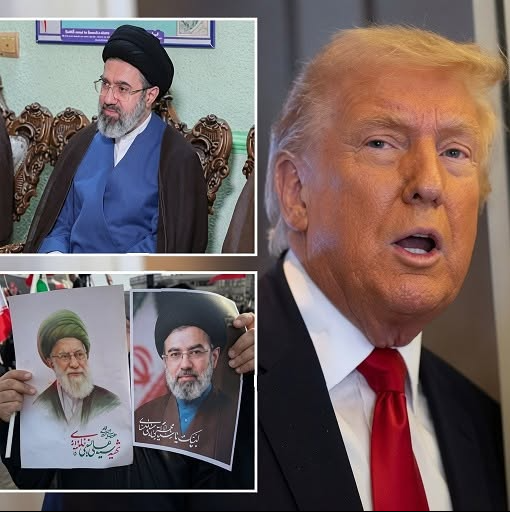
Rapidly escalating military confrontation in which the United States and Israel are reported to have carried out coordinated airstrikes on targets inside Iran.
According to the narrative, the initial explosions caused widespread shock, not only due to physical destruction but also because they signaled a potential shift from contained tensions to open regional escalation. The strikes are framed as a turning point that could determine whether the conflict remains limited or expands into a broader war.
Iranian military and political leaders are depicted as quickly assessing the damage and preparing responses, while regional allies and global observers react with caution. The operation is described under the name “Operation Epic Fury,” with U.S. and Israeli officials reportedly stating that its purpose was to degrade Iran’s military infrastructure and nuclear-related capabilities. These officials justify the strikes as preemptive actions aimed at preventing future attacks and neutralizing perceived threats.
The passage also highlights competing narratives emerging from the conflict. While Western-aligned sources emphasize targeted strikes against military assets, Iranian state media reports partial interception of missiles and frames the attacks as acts that will be met with retaliation. Iranian leadership issues strong warnings, including threats of “devastating revenge,” contributing to fears of escalation.
As the situation develops, international diplomatic efforts begin almost immediately. European and other global actors reportedly urge restraint and warn that continued escalation could destabilize the broader Middle East. Concerns are raised about the possibility of the conflict spreading beyond the initial countries involved, potentially affecting global security and economic stability.
At the same time, the human dimension of the crisis is emphasized. Civilians in major cities such as Tehran and Tel Aviv are portrayed as experiencing uncertainty and anxiety, monitoring news updates and listening for air raid warnings. The passage underscores how quickly everyday life can be disrupted by military escalation, with populations unsure whether the events represent a contained strike or the beginning of a larger and more prolonged war.
Overall, the text presents a high-stakes scenario marked by military action, conflicting claims, diplomatic urgency, and widespread civilian concern, with the future trajectory of the conflict remaining uncertain.