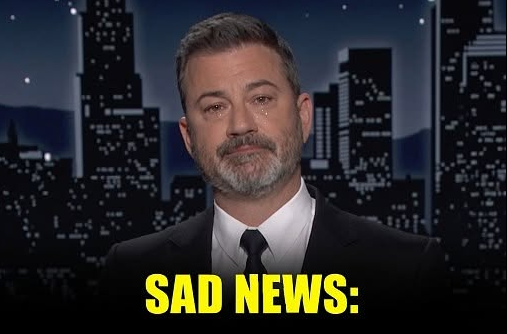
A controversy erupted after late-night television host Jimmy Kimmel made remarks during a monologue following the assassination of Charlie Kirk.
The comments quickly drew criticism because they appeared to suggest that the shooter was politically conservative. Critics argued that the remarks were inaccurate and inappropriate, particularly after investigators reportedly identified the suspect as having far-left political views.
The backlash intensified rapidly across media and political circles. In response, the article states that ABC suspended Kimmel indefinitely and removed Jimmy Kimmel Live! from broadcast while the network conducted a review of the situation. The network reportedly characterized the remarks as offensive and insensitive, emphasizing the need for caution and accuracy when discussing a national tragedy.
Public reaction was swift.
Supporters of disciplinary action argued that media figures have a responsibility to avoid speculation, especially in the immediate aftermath of violent events when facts are still emerging. They contended that inaccurate assumptions about a suspect’s motives or political affiliations can contribute to misinformation and further polarize public debate.
The controversy also attracted attention from government officials. The article notes that Brendan Carr publicly criticized Kimmel’s comments, describing them as irresponsible and inappropriate. Carr reportedly called on broadcasters to uphold higher standards of accuracy and sensitivity when covering incidents involving political violence.
At the time described in the article, ABC had not announced whether Kimmel would return to the air or face additional consequences.
Representatives for the comedian reportedly declined to comment publicly on the matter, leaving questions about his future with the program unanswered.
Beyond the immediate controversy, the incident sparked a broader discussion about the role of comedians, commentators, and media personalities during periods of national crisis. Some observers argued that public figures should exercise greater caution when addressing tragic events, particularly before all facts are known.
Others expressed concern that harsh reactions to controversial statements could discourage open commentary and limit freedom of expression.
Ultimately, the episode became part of a larger debate about media responsibility in an era of rapid information sharing. It highlighted the challenges of balancing humor, political commentary, accuracy, and sensitivity when discussing emotionally charged events. Regardless of the final outcome for Kimmel, the controversy underscored how quickly public remarks can influence national conversations and generate significant consequences for both individuals and media organizations.