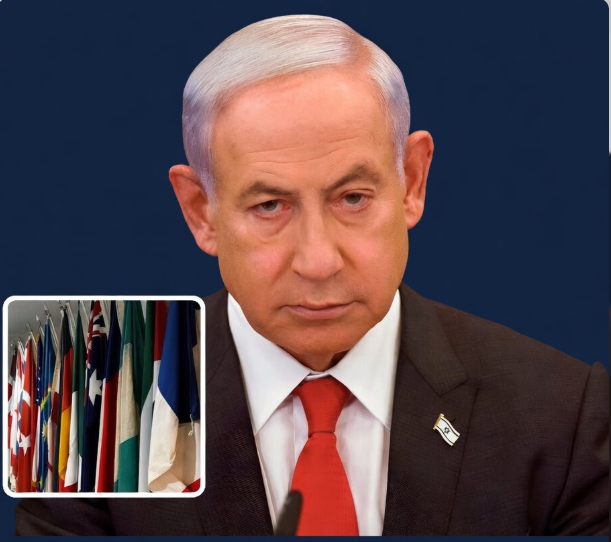
Tensions between European countries and Israel have intensified as several members of the European Union consider suspending or boycotting their long-standing cooperation framework with the Israeli government. The initiative is being driven primarily by Spain and Ireland, which are calling for stronger measures, including trade restrictions and a pause in formal agreements.
At the center of the dispute is the EU–Israel Association Agreement, a key pact that governs political dialogue and economic relations between Israel and the European Union. Critics argue that Israel’s recent actions may violate the human rights provisions embedded in the agreement, which require participating parties to uphold democratic values and international law. These concerns have prompted calls within parts of Europe to reassess the relationship.
Supporters of the proposed measures believe that applying economic and diplomatic pressure could encourage policy changes and reinforce the EU’s commitment to human rights standards. They argue that failing to respond would undermine the bloc’s credibility on global governance issues. However, not all EU members agree with this approach. Some countries favor maintaining engagement with Israel, emphasizing the importance of strategic cooperation, regional stability, and dialogue over punitive action.
Israel has rejected the allegations, maintaining that its policies are consistent with its security needs and international obligations. The situation highlights broader divisions within Europe about how to balance moral principles with geopolitical interests. It also reflects growing scrutiny of international partnerships in times of conflict.
As discussions continue, the outcome could significantly affect EU-Israel relations, potentially reshaping trade, diplomacy, and political cooperation while signaling how the EU addresses similar disputes in the future.