Recent developments in the Middle East suggest that energy markets are becoming less sensitive to military escalations involving Iran.
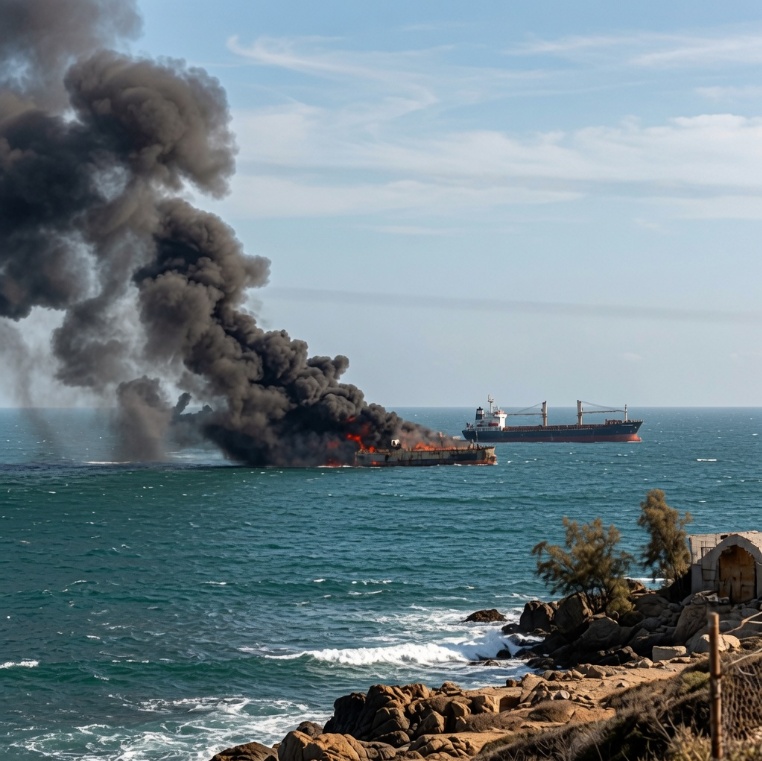
After Iran reportedly attacked a cargo vessel near Oman, the United States responded with strikes on Iranian missile, drone, and radar facilities. Despite the seriousness of these events, global oil prices moved in the opposite direction many expected. Brent crude fell by more than 2 percent rather than rising sharply.
At the same time, shipping activity through the strategically important Strait of Hormuz increased, reaching its highest levels since the conflict began. The strait remains one of the world’s most critical energy routes, carrying a large share of global oil exports. Investors closely monitor any threats to this waterway because major disruptions could significantly affect energy supplies and prices.
The market’s reaction indicates growing confidence that Iran either cannot or will not seriously disrupt shipping through the Strait of Hormuz. As long as oil continues to flow and commercial vessels can pass safely, traders appear less concerned about each new military confrontation.
This response suggests that financial markets are increasingly focused on actual supply disruptions rather than geopolitical headlines alone. Unless the conflict directly threatens energy exports or closes key shipping lanes, future escalations may have a smaller impact on oil prices than similar events have had in the past.