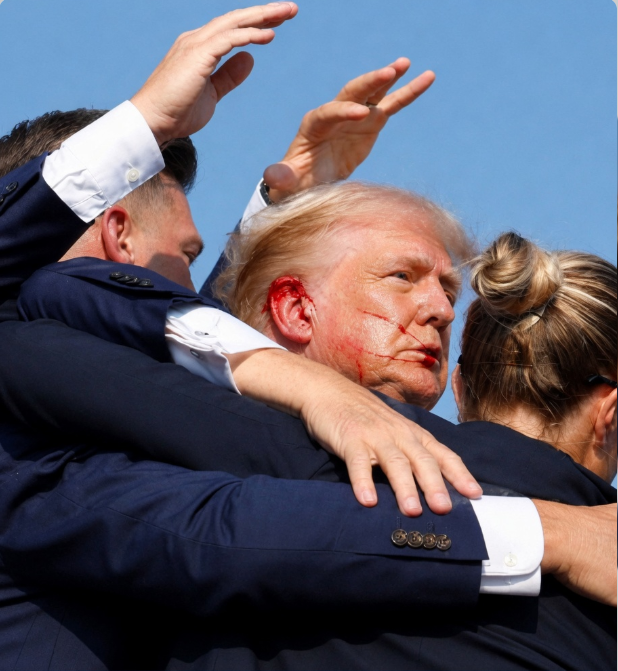
The White House has strongly rejected claims made by Jesse Ventura suggesting that the assassination attempt involving Donald Trump was staged. Officials emphasized that the incident was real and supported by substantial evidence, including verified casualties and documented emergency response efforts. By directly addressing the claim, the administration sought to counter narratives that question the legitimacy of the event and to reinforce public trust in official findings.
The controversy surrounding Ventura’s remarks has contributed to a wider national conversation about misinformation and the responsibilities of public figures when discussing sensitive political events. Statements that challenge the authenticity of major incidents can spread quickly, particularly in a highly polarized media environment, and may influence how the public interprets facts. Analysts note that when prominent individuals promote unverified claims, it can blur the line between opinion and evidence, making it more difficult for people to distinguish credible information from speculation.
Experts and commentators have highlighted the importance of relying on verified sources, especially during moments of national significance. The rapid circulation of misinformation can undermine confidence in institutions, fuel division, and distract from factual reporting. As a result, there is increasing emphasis on critical thinking, media literacy, and responsible communication from both leaders and the public.
Overall, the situation underscores the growing challenges posed by misinformation in modern political discourse. It illustrates how quickly narratives can evolve and how essential it is for institutions to respond clearly and decisively. The broader takeaway is the need for careful verification, transparent communication, and accountability to ensure that public understanding is grounded in accurate and reliable information.