On the night of August 3, 2026, a small vessel ran out of fuel in the remote waters between Petersburg and Juneau, Alaska. A Coast Guard radio call went out requesting assistance. Two ships were in the area. One responded. One didn’t.
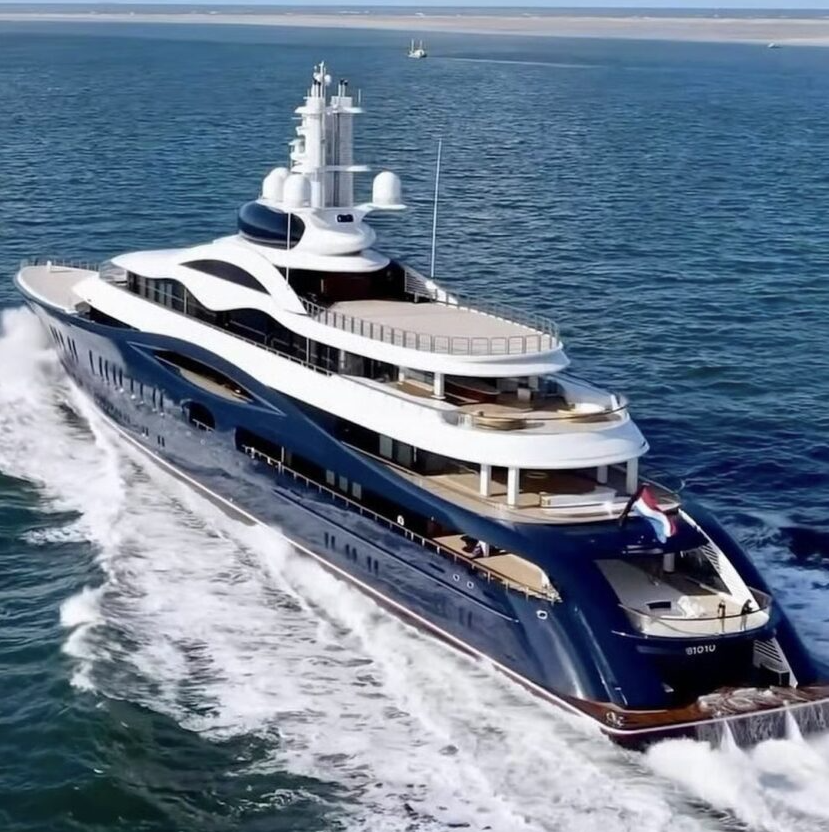
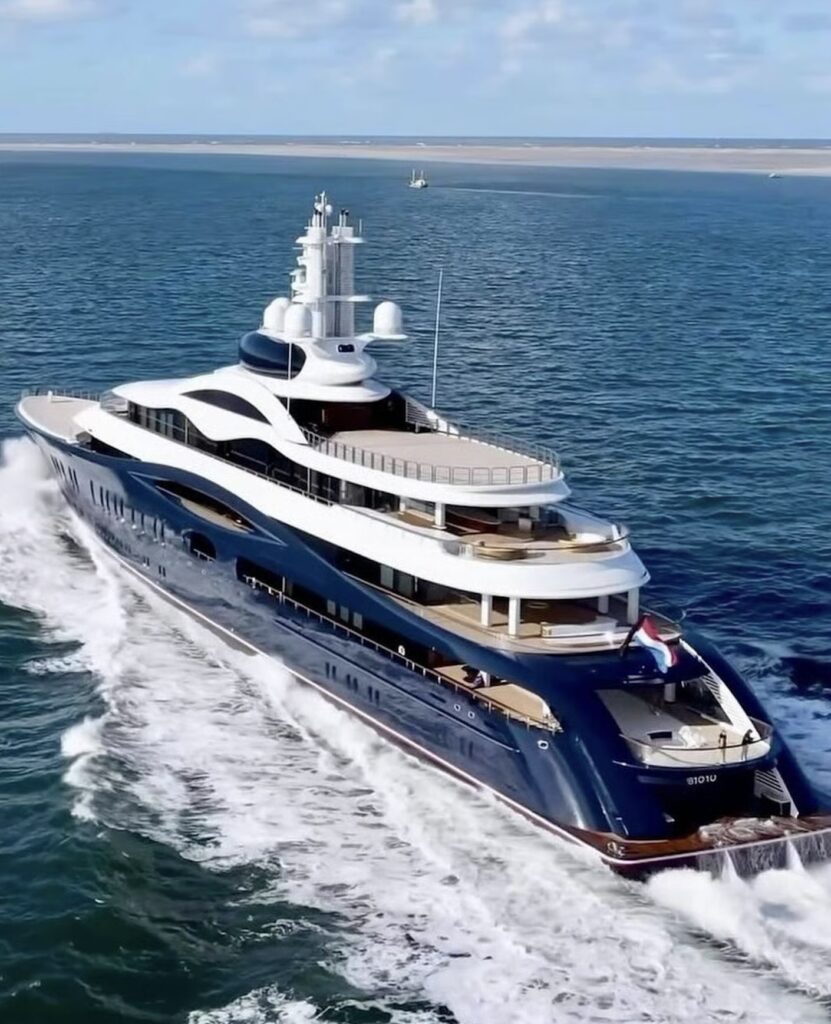
The ship that responded was the Wilderness Legacy — a 42-year-old, 88-guest expedition cruise vessel operated by UnCruise Adventures, homeported in Juneau and offering seven and twelve-night small-ship Alaska sailings. The ship that didn’t respond was the Launchpad — the 387-foot, $300 million superyacht owned by Meta CEO Mark Zuckerberg.
The story might have remained a quiet maritime footnote. Then a passenger posted about it on Bluesky, and the internet made it something else entirely.
At approximately 9:32 p.m. on August 3, a 21-foot Hewescraft skiff reached out to the US Coast Guard requesting assistance after running out of fuel in the waters between Petersburg and Juneau — some of Southeast Alaska’s most remote and navigationally demanding territory. The Coast Guard assessed the situation and at approximately 9:56 p.m. determined the vessel was not in formal distress but issued a marine assistance call to nearby ships.
Vessel tracking data confirms what happened next. The Launchpad — which was closer to the skiff than any other vessel in the area — slowed to a halt outside Farragut Bay. The Wilderness Legacy, which was not the closest vessel, changed course, steamed around and past the Launchpad, reached the location of the stricken skiff, and towed it to the shelter of Farragut Bay.
No injuries were reported. The Wilderness Legacy was not significantly delayed on her seven-night sailing, which had departed Juneau on August 1 and had already visited Robert Islands and Glacier Bay before the incident occurred.
Michael Love, a software developer from New York City who was a passenger aboard the Wilderness Legacy, posted about the experience on Bluesky shortly after. What struck him most was not the rescue itself — it was what the captain announced over the ship’s intercom.
The captain told passengers that Zuckerberg’s yacht had been closer to the skiff and had not answered the radio call for help.
“There was near unanimous booing when the captain announced this,” Love wrote.
His post spread rapidly. Vessel tracking data circulating alongside it appeared to confirm the account — showing the Launchpad stationary outside Farragut Bay as the Wilderness Legacy moved around it, reached the skiff, and began the tow.
Love reflected on what might have been: “Frankly, if I was Mark Zuckerberg I would be absolutely ecstatic at a chance to do something helpful for someone in need and maybe get some good PR out of it.”

Zuckerberg’s Response
A spokesperson for Mark Zuckerberg issued a statement after the story gained traction in mainstream media. Brian Baker confirmed that Zuckerberg and his family were not aboard the Launchpad at the time of the incident.
On the question of why the yacht did not respond to the Coast Guard contact, Baker said the crew had been monitoring a different radio channel than the one the Coast Guard used to broadcast the assistance request. “As the Coast Guard noted, the boat was not in distress, and by the time the crew reviewed the Coast Guard contact on a different radio channel from the one they were operating on, the assist was already underway,” Baker said. “We are grateful all parties are safe.”
The Legal and Moral Dimensions
The public reaction online included significant anger, with many social media users accusing the Launchpad’s crew of violating international maritime law requiring the nearest vessel to assist a boat in distress. The legal picture is more nuanced than that framing suggests.
This was not a formal distress call — it was a general request for assistance. The Coast Guard itself confirmed the vessel was not determined to be in distress. The SOLAS obligation to render assistance applies most directly to situations of formal distress, and the Launchpad’s legal exposure is therefore less clear-cut than the online reaction implied.
The moral dimension, however, is where the story took on its particular charge. A $300 million superyacht — one of the most capable private vessels on the water — was within range of a small boat that needed help, and a 42-year-old 88-guest expedition ship had to change course to go around it and provide that help instead. Whether there is a legal violation or not, that sequence of events tells a story that people found difficult to ignore.
The Wilderness Legacy — and What Small-Ship Cruising Is
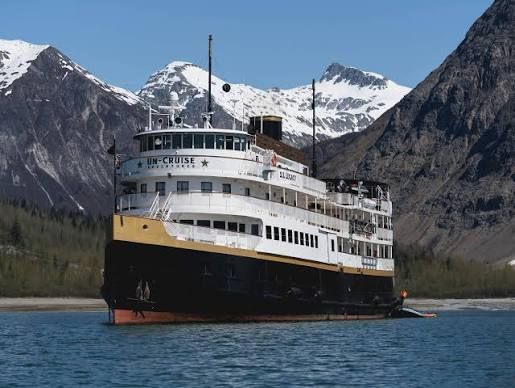
It is worth pausing on the vessel that actually made the rescue, because the contrast with the Launchpad is striking in ways that go beyond wealth.
The Wilderness Legacy entered service in 1984. She carries 88 guests on immersive Alaska sailings that reach places no mega-ship can navigate — intimate fjords, remote anchorages, the kind of coastline that exists beyond the reach of any vessel over a certain size. UnCruise Adventures built its reputation on exactly the kind of access and experience that small-ship cruising uniquely provides.
This is the second time in two weeks that a small cruise ship operating in Southeast Alaska responded to a vessel in need. Both times, the rescue was made without fanfare, without significant delay to the voyage, and without anyone aboard expecting recognition for it.
That is simply what ships do when other ships need help. The Wilderness Legacy’s crew did what the maritime tradition calls for. The booing from the passenger deck when the captain made his announcement suggests that most people instinctively understand the same thing.