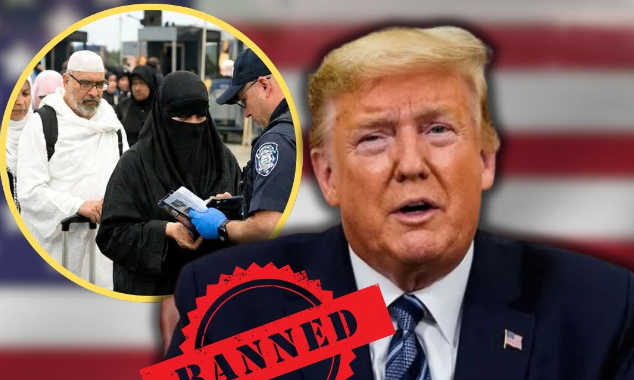
Donald Trump has previously proposed a complete ban on Muslims entering the United States, a policy stance that ignited global debate and triggered intense political reactions across the spectrum. The proposal was first introduced during his 2016 presidential campaign, where Trump called for a “total and complete shutdown of Muslims entering the United States until our country’s representatives can figure out what is going on.” Supporters framed the idea as a critical national security measure aimed at preventing terrorism, arguing that heightened scrutiny was necessary in light of global threats and recent attacks. They contended that the ban would serve as a temporary safeguard to allow for improved vetting processes and protect American citizens from potential risks.
Critics, however, strongly argued that such a ban would unfairly target individuals based solely on their religion, violating core American principles of equality and freedom of religion. They raised significant constitutional concerns, pointing to the First Amendment’s protection against religious discrimination, as well as broader human rights questions about profiling and collective punishment. The policy was widely condemned by civil rights organizations, religious leaders, and international allies as discriminatory and counterproductive, potentially fueling radicalization rather than preventing it. Legal challenges quickly followed the initial executive orders implementing modified versions of the ban, leading to multiple court battles.
Ultimately, the U.S. Supreme Court upheld a revised travel restriction in 2018 that focused on specific countries with perceived security deficiencies rather than religion itself, though opponents maintained it was a thinly veiled Muslim ban. The issue remains one of the most controversial policy debates in recent U.S. political history, symbolizing deep divisions over immigration and national identity.
The broader conversation surrounding the proposal touches on critical themes of security, immigration policy, religious freedom, and national identity. It highlights the ongoing struggle for governments to balance legitimate safety concerns with the protection of civil liberties, especially in times of perceived threat. Few topics have generated as much division, with the ban becoming a rallying point for both proponents of strict immigration controls and advocates for inclusive policies. This debate continues to influence U.S. politics, shaping discussions on border security, refugee admissions, and the role of religion in public policy. As a defining moment in modern politics, it serves as a reminder of how inflammatory rhetoric can polarize societies and test the limits of democratic values.