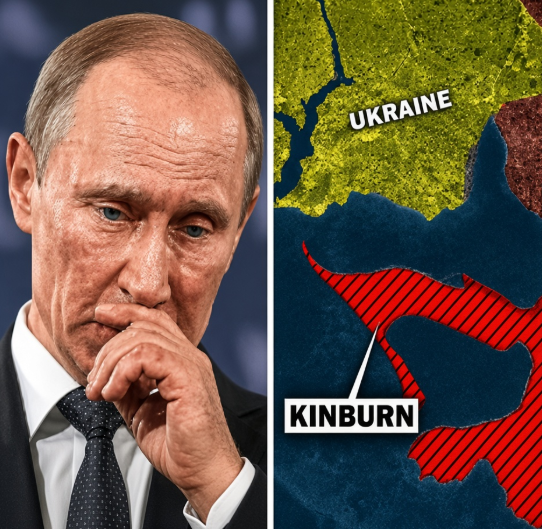
Ukraine is increasing pressure on Russian forces positioned around the Kinburn Spit, turning the strategically important peninsula into a difficult logistical challenge for Moscow. According to the analysis, around 2,500 Russian troops are reportedly isolated in the area, with Ukrainian strikes targeting routes and infrastructure used to sustain the garrison. The growing pressure is making it increasingly difficult for Russia to maintain a stable military presence on the exposed position.
A major development is Ukraine’s reported use of robotic systems in operations around Kinburn. Uncrewed ground and maritime platforms are expanding Ukraine’s ability to conduct surveillance, strike targets, and challenge Russian positions while reducing the need to expose personnel directly. Their deployment illustrates how autonomous and remotely operated systems are becoming increasingly important in the war’s contested coastal areas.
The situation is also connected to Ukraine’s broader campaign against Russian Black Sea logistics. Strikes against Russian naval and support infrastructure, including reported attacks around Novorossiysk, have added pressure to Moscow’s ability to operate and supply forces across the region. These operations could force Russia to reconsider how it protects bases, ships, supply routes, and isolated military positions.
At the same time, the Kremlin continues pursuing diplomatic initiatives abroad. Putin’s engagement through the Shanghai Cooperation Organisation (SCO) demonstrates Moscow’s effort to maintain strategic partnerships and diplomatic support while facing military pressure in Ukraine.
The Kinburn situation therefore reflects a wider transformation of the Black Sea battlefield, where drones, robotic systems, long-range strikes, and logistics disruption are increasingly shaping military calculations. For Russia, maintaining an isolated garrison requires reliable supply routes and protection, both of which are becoming more difficult as Ukrainian attacks expand.