The Russian military is facing mounting pressure from battlefield losses, recruitment challenges, and demographic constraints as the war in Ukraine continues. According to the analysis, Russia suffered an estimated 240,000 casualties during the first seven months of 2026, prompting speculation about preparations for a new mobilization involving as many as 600,000 additional troops. Unlike the 2022 mobilization, the proposed system is described as increasingly digital, using electronic draft notices, border controls, and other mechanisms to make it harder for eligible citizens to avoid recruitment.
The analysis argues that Russia’s growing dependence on new personnel reflects the intensity of fighting in eastern Ukraine, particularly around the Donetsk front. Large-scale recruitment could help Moscow replace battlefield losses, but it could also create additional economic and social pressure by removing working-age people from civilian industries.
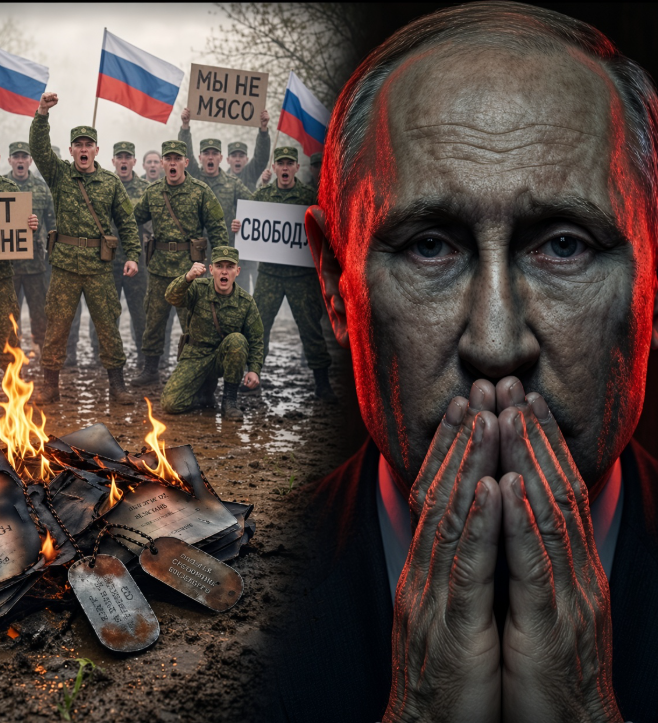
Domestic resistance is another major focus. Russian military families and mothers have increasingly voiced concerns about mobilization, casualties, and the treatment of soldiers. While such protests do not necessarily indicate an imminent political crisis, they demonstrate the social costs associated with sustaining a large-scale war.
The report also examines military activity in Kaliningrad and its proximity to the Suwałki Gap, a strategically important corridor connecting Poland and Lithuania. Exercises in the region are presented as part of Moscow’s broader pressure on NATO’s eastern flank, although military exercises alone do not establish that Russia intends to launch a second front.
Overall, the analysis connects Russia’s manpower shortage, digital recruitment system, battlefield attrition, domestic discontent, and NATO tensions. The central question is whether Moscow can continue expanding recruitment without creating additional economic and social instability at home.