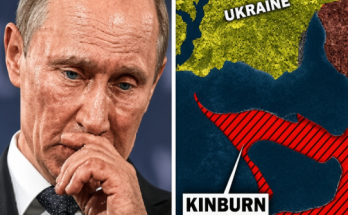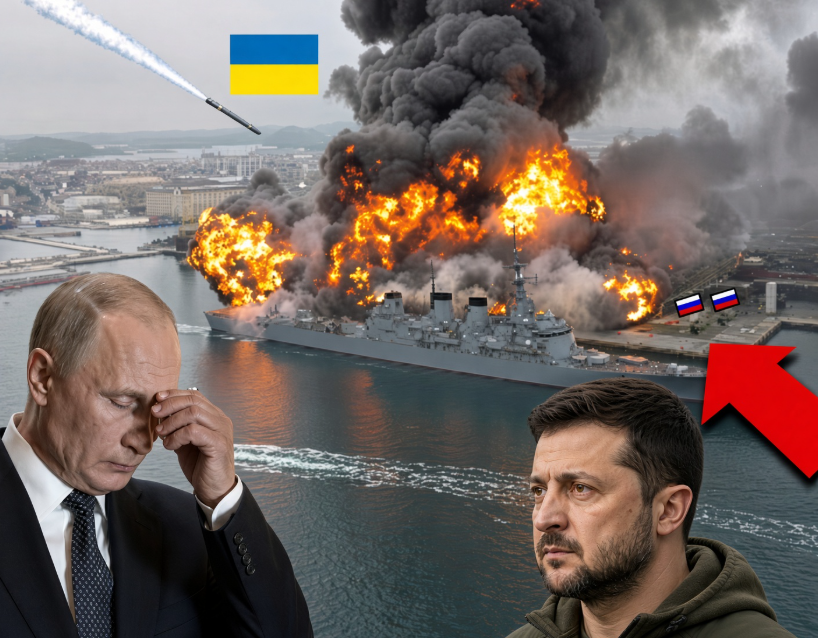
After Ukrainian strikes made Sevastopol too dangerous, Russia shifted much of its Black Sea Fleet to Novorossiysk—farther east, on the Krasnodar coast—hoping distance would restore a safe harbor for warships, grain and oil exports, and military logistics. That calculation has failed. In coordinated raids, especially in August and September 2026, Ukraine hit the port with missiles, long-range drones, and unmanned surface vessels, including Long Neptune cruise missiles. Reported targets included Kalibr-capable ships such as the frigates Admiral Essen and Admiral Makarov, a Buyan-M missile corvette, landing and patrol vessels, piers, air-defense radars, and fuel-oil and oil-export terminals. Fires, damaged grain terminals, and civilian casualties followed; Russia claimed hundreds of drones were intercepted.
Novorossiysk matters because it is not only a naval refuge but a commercial artery: oil products, grain, and wartime supplies move through the same complex. Hitting it therefore pressures the fleet, export revenue, and rear-area logistics at once. The same campaign has also reached refineries and energy sites deeper inside Russia, treating ports, radars, tank farms, and warships as a single system that keeps the war going. The strategic point is that retreat from Crimea did not create sanctuary. If even a major logistics hub hundreds of kilometers from the front can burn, remaining Black Sea naval power has few uncontested places left to hide. The open question is where Moscow can next base what is left of that fleet without exposing it again.