Europe’s eastern flank is undergoing a major transformation as NATO members strengthen permanent military deployments, border fortifications, and deterrence measures in response to the security environment created by Russia’s war in Ukraine.
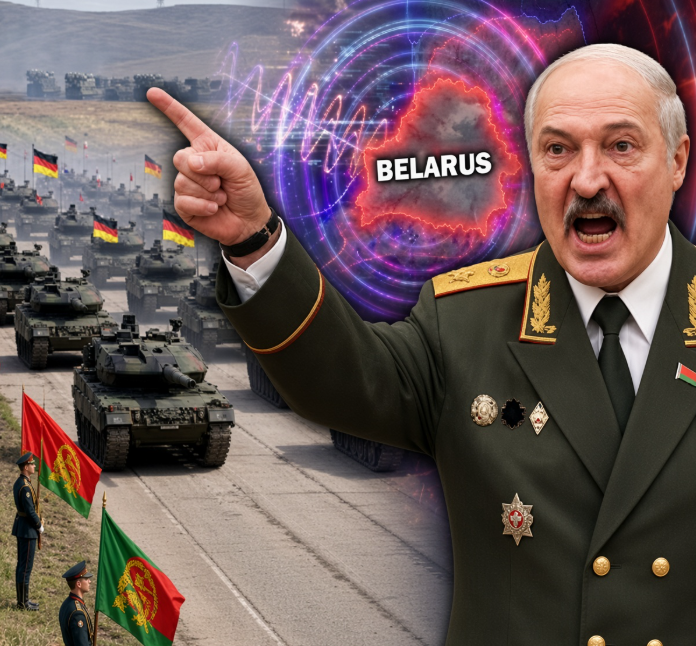
Germany’s 45th Armoured Brigade, established in 2025, is being permanently built up in Lithuania. The brigade includes German formations equipped with Leopard 2 tanks and Puma infantry fighting vehicles, alongside the multinational battlegroup already operating in Lithuania. Germany’s goal is for the brigade to reach full operational readiness by 2027.
The Suwałki Corridor remains particularly important because it connects the Baltic states with the rest of NATO territory while lying between Russia’s Kaliningrad exclave and Belarus. NATO describes the area as a strategic stretch of territory requiring the ability to rapidly reinforce the Baltic region.
Poland is simultaneously developing the East Shield, a large defensive infrastructure program along its borders with Belarus and Russia. The project includes engineering obstacles, anti-tank defenses, surveillance systems, communications infrastructure, and protected facilities. Polish authorities reported that implementation was continuing actively in 2026.
The defensive buildup is not limited to Poland. Lithuania is strengthening critical infrastructure near the Suwałki area, including facilities designed to withstand drone attacks and other forms of disruption.
France is also expanding strategic cooperation with eastern European allies. In July 2026, France and Poland held their first bilateral Nuclear Steering Group meeting as part of discussions surrounding France’s concept of European “forward deterrence.”
Together, these developments show a broader NATO shift toward permanent forces, hardened infrastructure, rapid reinforcement, surveillance, and layered deterrence along the eastern flank. Rather than a single continuous “Iron Curtain,” analysts describe a network of national and multinational defensive systems designed to slow potential attacks and provide NATO forces additional time to respond.