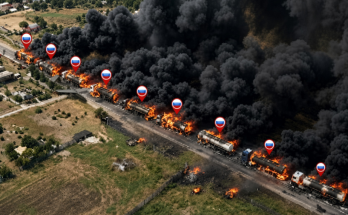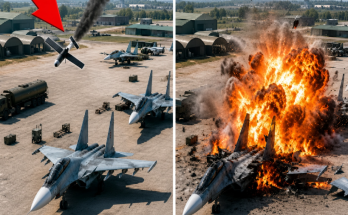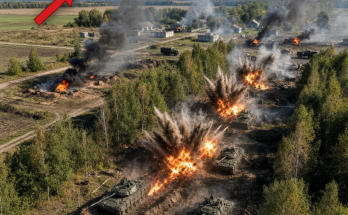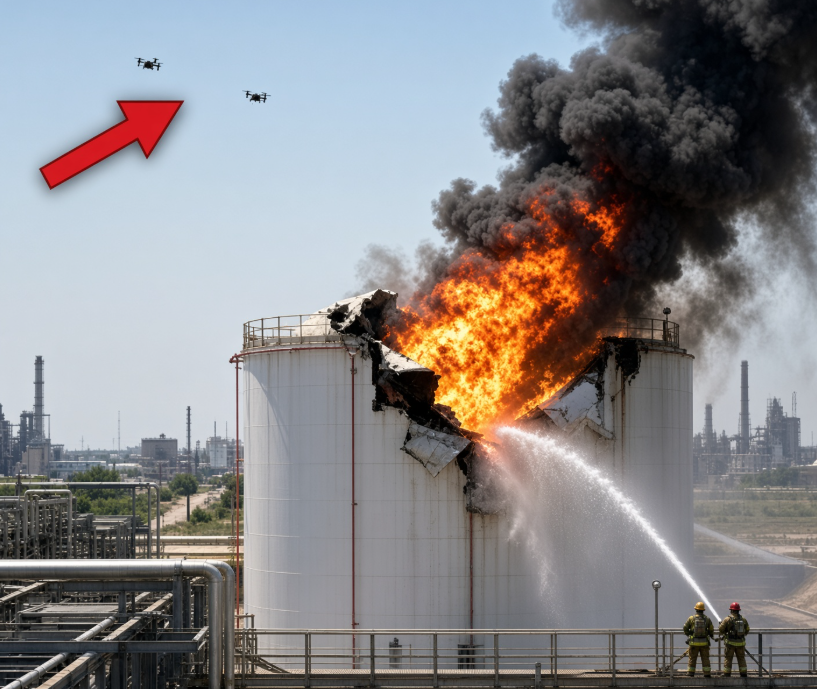
The reported destruction of a Russian Zoopark-1M counter-battery radar near Polohy highlights the continuing contest between artillery detection and battlefield reconnaissance in the Zaporizhzhia sector. Counter-battery radars are designed to rapidly detect incoming artillery fire, calculate its likely origin, and provide targeting information for return fire. This makes them particularly valuable for protecting artillery units and maintaining pressure along the front.
According to the scenario described, the Zoopark-1M had reportedly supported Russian operations for several weeks by identifying Ukrainian artillery positions, including those associated with Bohdana systems. Its effectiveness depended not only on radar performance but also on frequent movement and concealment, which reduced the opportunity for Ukrainian forces to locate and strike it.
Ukrainian reconnaissance teams reportedly spent eleven days observing the radar’s movement patterns and identifying its changing positions. A Lancet-3 loitering munition was then used during a brief period when the radar was vulnerable while transitioning between operating states.
The episode illustrates the importance of the sensor-to-shooter cycle. Destroying a counter-battery radar can temporarily disrupt an opponent’s ability to locate artillery, forcing crews to rely on alternative surveillance and targeting methods.
However, the loss of one radar does not necessarily eliminate Russia’s counter-battery capability. Replacement equipment, other radar systems, drones, and conventional reconnaissance can continue providing targeting information. The broader significance therefore lies in whether repeated strikes can create a sustained gap between detection losses and replacement capacity, potentially reducing the effectiveness of Russia’s artillery coordination in the sector.