Turkey and Israel Face Rising Tensions in Post-Assad Syria
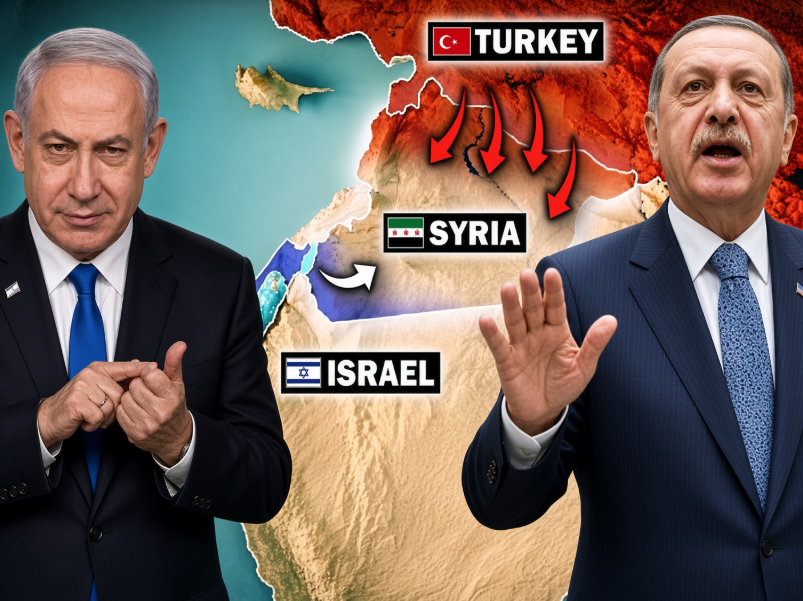
The evolving security situation in post-Assad Syria is creating new friction between Turkey and Israel, two important U.S. partners with competing strategic priorities. The Geo Network OSINT analysis examines how military operations near key Syrian infrastructure could increase the risk of confrontation, complicate Washington’s regional diplomacy, and reshape security arrangements across the eastern Mediterranean.
A central issue is Israel’s reported strike near Abu al-Duhur airbase, approximately 70 kilometers from the Turkish border. If confirmed as described, the operation could intensify Turkish concerns about Israeli military activity near areas Ankara considers strategically important. Israel has generally framed pre-emptive operations as necessary to prevent emerging threats, while Turkey has emphasized border security, regional influence, and the protection of its interests in Syria. The specific circumstances and implications of the reported strike require independent verification.
These competing approaches create potential friction over military deployments, control of strategic infrastructure, and the future security architecture of Syria. Turkey may seek a greater role in rebuilding Syrian institutions and securing transportation or military facilities, while Israel may prioritize preventing hostile armed groups or military capabilities from establishing positions near its borders.
The eastern Mediterranean adds another dimension. Energy routes, maritime boundaries, naval deployments, and regional partnerships already shape relations among countries in the area. Increased Turkish-Israeli tensions could complicate cooperation on these issues and encourage both governments to strengthen military readiness.
Washington faces a diplomatic challenge because Turkey is a NATO member, while Israel remains a close U.S. security partner. Managing disagreements between them may require direct communication, deconfliction arrangements, and clear efforts to prevent local incidents from escalating into a broader confrontation.
Nevertheless, heightened tensions do not automatically mean that a direct military conflict is inevitable. The risk will depend on the scale of future operations, the proximity of forces, diplomatic engagement, and each government’s willingness to avoid miscalculation.
Ultimately, post-Assad Syria remains a potential flashpoint where competing security priorities could influence the wider regional balance of power.