Russia’s Winter Energy War and Ukraine’s Counterstrategy
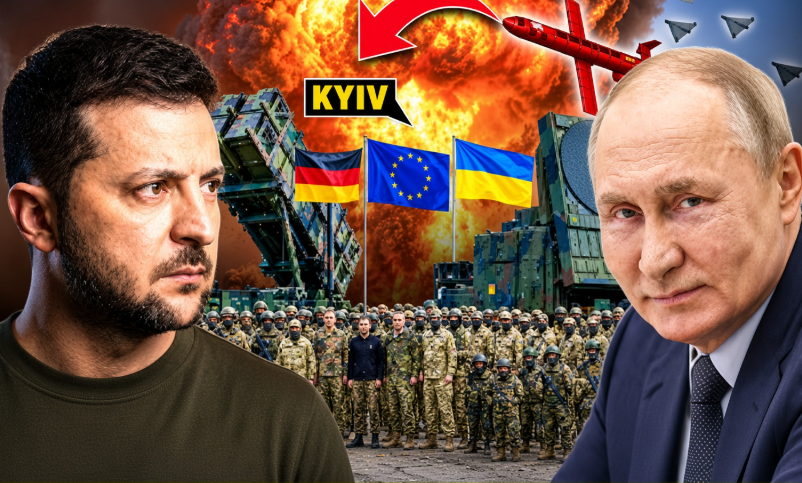
Russia has launched another major wave of attacks against Ukraine, reportedly sending 188 attack drones alongside ballistic and anti-ship missiles toward Kyiv and surrounding areas. The strikes focused heavily on energy infrastructure, continuing Moscow’s strategy of pressuring Ukraine’s electricity, heating, and critical services during the winter months.
However, Ukraine has spent months preparing for another campaign against its energy system. Authorities are strengthening the power grid, expanding backup generation, protecting critical facilities, and decentralizing electricity production. The goal is to prevent a single concentrated strike from causing widespread and prolonged disruption across the country.
Ukraine is also seeking to strengthen its air-defense network with F-16 fighter aircraft, Patriot interceptors, NASAMS systems, and newer technologies intended to counter increasingly sophisticated Russian drones, including jet-powered designs. These defenses are intended not only to intercept incoming weapons but also to improve Ukraine’s ability to preserve essential infrastructure.
At the same time, Kyiv has increasingly taken the energy conflict into Russian territory. Ukrainian long-range drones have targeted oil refineries, fuel depots, and other energy facilities hundreds of kilometers from Ukraine, creating pressure on parts of Russia’s fuel and logistics networks. Such attacks demonstrate how the energy war has expanded beyond Ukraine’s borders.
Russia continues to possess substantial missile and drone capabilities, but Ukraine’s approach has evolved since the first winter of the full-scale invasion. Rather than relying entirely on intercepting every incoming weapon, Kyiv is attempting to build an energy system capable of absorbing damage, restoring service quickly, and continuing to operate through decentralized generation.
This creates a broader strategic contest. Russia is attempting to disrupt Ukraine’s energy resilience, while Ukraine is seeking to impose costs on the infrastructure supporting Russia’s economy and military operations.
The effectiveness of both strategies will depend on the scale of future attacks, air-defense performance, repair capacity, and the resilience of energy networks. The winter campaign could therefore become an important test of how each side adapts to prolonged infrastructure warfare.