Russia’s Military in 2026: Heavy Losses, Aging Equipment, and Long-Term Challenges
Russia’s armed forces remain a major military power, but years of fighting in Ukraine have placed substantial pressure on personnel, equipment, and defense production. This Russia Military 2026 analysis examines the gap between official battlefield narratives and the reported costs of sustaining a prolonged war.
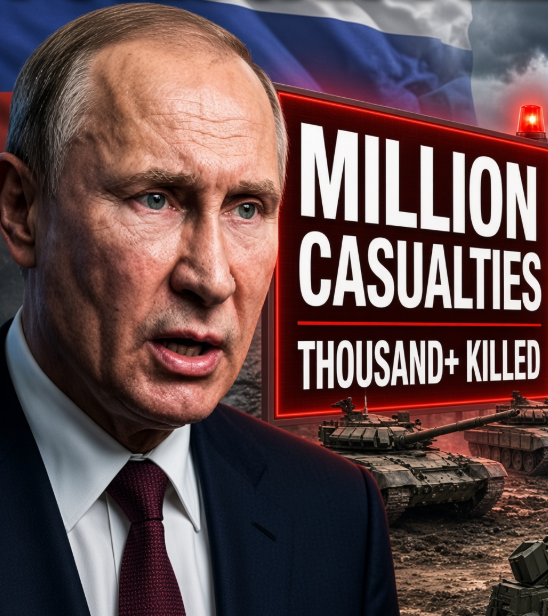
The Russian military entered the conflict with extensive inventories of tanks, armored vehicles, artillery, aircraft, and a large professional force. However, open-source equipment tracking and Western intelligence estimates cited in the report indicate more than 9,000 visually confirmed losses of Russian armored vehicles and over 600,000 personnel casualties. These figures require careful interpretation: visually confirmed equipment losses represent documented minimums, while personnel casualty estimates vary by source and may combine killed, wounded, missing, and other categories.
Equipment attrition has reportedly increased Russia’s reliance on refurbished Soviet-era vehicles, including older tank models withdrawn from storage. Although these systems can still provide battlefield support, age, maintenance requirements, and technological limitations may affect their effectiveness compared with modern equipment. Russia’s ability to restore stored vehicles and maintain production remains an important factor in determining how quickly losses translate into reduced combat power.
The analysis also highlights pressure on Russia’s professional military personnel and its growing use of external supplies, including ammunition and drones. Sustaining high-intensity operations requires not only weapons but also trained crews, spare parts, logistics, and industrial capacity.
At sea, Ukrainian attacks have challenged Russia’s Black Sea Fleet, prompting changes in deployment patterns and increasing the importance of protecting naval bases and supply routes. These developments illustrate how relatively inexpensive asymmetric systems can impose significant costs on a larger military.
Nevertheless, substantial losses do not automatically mean Russia’s armed forces are collapsing. Russia retains considerable manpower, industrial resources, and the ability to adapt its tactics. The central question is whether replacements can match the quality and quantity of equipment and personnel being lost.
Ultimately, Russia’s long-term military strength will depend on its replacement capacity, economic resilience, recruitment, and ability to sustain operations over time.