Ukraine’s Drone Campaign Targets Russia’s Wildberries Logistics Network
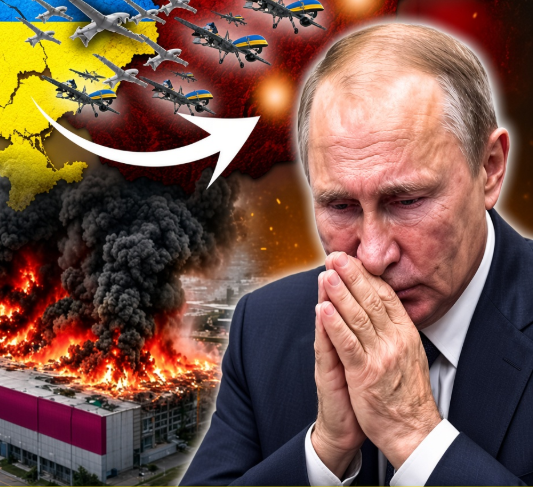
Ukraine has reportedly launched one of its largest drone attacks on the Moscow region since the Russia-Ukraine war began, with hundreds of drones said to have headed toward the Russian capital. By morning, a major Wildberries logistics warehouse near Moscow was engulfed in flames, highlighting the growing vulnerability of Russia’s infrastructure far behind the front lines.
Wildberries, frequently compared to Amazon because of its extensive e-commerce operations, maintains a nationwide distribution network connecting enormous warehouses with thousands of pickup points. Disruptions to these facilities could affect deliveries, commercial activity, and the movement of goods across Russia.
According to the report, Ukrainian drones have struck Wildberries facilities in several locations since July, including the Moscow region, St. Petersburg, Samara, and areas in the Urals. Reuters’ analysis of commercial satellite imagery reportedly found that more than one-fifth of the company’s warehouse capacity had been damaged or destroyed by early August. The scale and consequences of these reported losses underscore the potential economic impact of attacks on concentrated logistics infrastructure.
Ukraine has alleged that certain Wildberries facilities and the broader marketplace have been used to store, sell, or transport military and dual-use equipment. However, Wildberries and the Kremlin deny that the company’s warehouses serve a military purpose. These competing claims require careful examination, and the available information does not independently establish that every targeted facility had a military role.
The broader strategic issue is whether Ukraine is deliberately targeting logistics hubs that support Russia’s commercial economy and potentially contribute to its wider wartime supply networks. Long-range drones allow Ukrainian forces to threaten facilities hundreds of kilometers from active combat zones, forcing Russia to consider air-defense coverage across a much larger area.
Such attacks may impose repair costs, disrupt distribution, and create additional security pressures. However, the extent of the damage, its lasting economic effects, and the military significance of individual warehouses remain important questions.
Ultimately, the reported strikes illustrate the expanding reach of drone warfare and the challenges of protecting Russia’s rear-area infrastructure. Independent verification remains essential when assessing damage, responsibility, and the alleged military use of commercial facilities.