Canada-Ukraine 100-Year Partnership and Putin’s India Visit
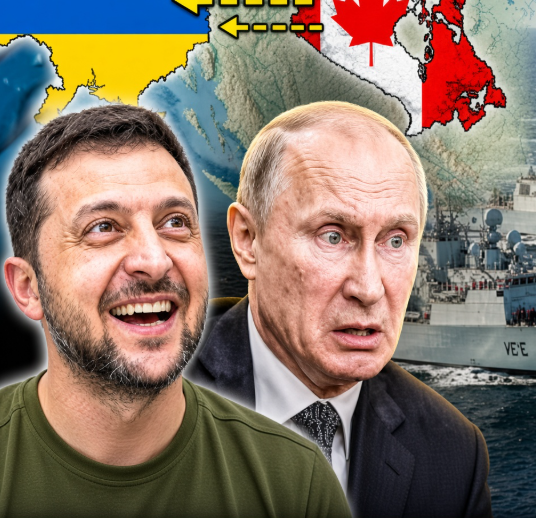
Vladimir Putin’s visit to India comes as Canada and Ukraine announce a major 100-year partnership aimed at building long-term cooperation in defense, security, energy, and industrial production. Prime Minister Mark Carney and President Volodymyr Zelenskyy are expanding collaboration in areas including air defense, military drones, energy security, and the development of Ukrainian defense manufacturing.
The agreement signals an effort to establish cooperation extending far beyond the immediate Russia-Ukraine war. For Ukraine, long-term partnerships could provide additional support for rebuilding its defense industry, expanding drone production, strengthening air-defense capabilities, and improving energy resilience. The precise scope and implementation of individual commitments remain important factors in determining the partnership’s practical impact.
Meanwhile, Russia is seeking to deepen its strategic and economic relationship with India. During Putin’s visit, military cooperation is expected to remain an important subject, with Russia’s S-400 air-defense system and potential Su-57 fighter aircraft deals among the issues receiving attention.
The relationship between Moscow and New Delhi also extends beyond weapons, encompassing energy, trade, technology, and broader cooperation through organizations such as BRICS. For Russia, stronger ties with India can provide additional economic opportunities and diplomatic relationships while Western sanctions continue to affect its access to some international markets.
The contrasting developments highlight two different approaches to the evolving conflict. Ukraine is expanding long-term partnerships with Western countries to strengthen its defense-industrial base, while Russia is reinforcing established relationships with major non-Western partners.
The significance of these developments will depend on how quickly agreements translate into actual production, military capabilities, investment, and sustained political cooperation. Rather than immediately changing the battlefield, the partnerships could influence the longer-term industrial and strategic environment surrounding the war.