Europe’s Support for Ukraine and the Growing Reach of Long-Range Drone Strikes
European support for Ukraine is entering another phase as military assistance and Ukrainian long-range strike operations increasingly shape the broader Russia-Ukraine conflict. The European Union has reportedly approved €6.1 billion in support for air and missile defense, ammunition, drones, and electronic warfare, with access to critical Patriot PAC-3 interceptors among the capabilities highlighted in the report. The precise funding arrangements and delivery timelines remain important factors in assessing the support’s practical impact.
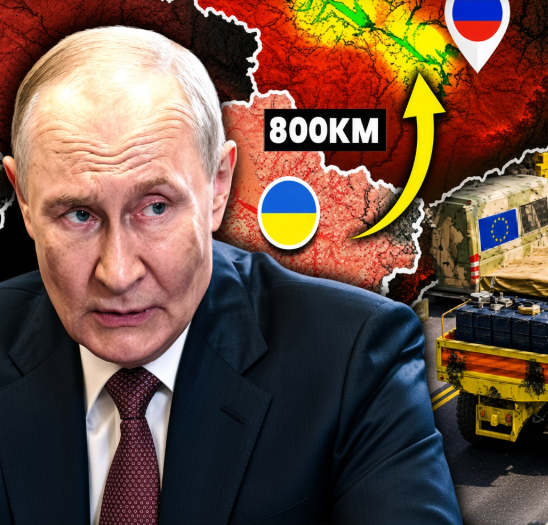
At the same time, Ukraine continues to develop its domestic drone industry and expand its ability to strike targets deep inside Russian territory. One reported operation reached approximately 800 kilometers into Russia, targeting the Iskra Research and Production Plant in Ulyanovsk. The facility has been associated with radar, air-defense, anti-drone technology, and electronic components relevant to military production.
Other military-industrial facilities in Tula and Voronezh were also reportedly targeted during the same campaign. However, the extent of damage at these sites, the disruption to production, and the operational consequences require independent confirmation.
These developments illustrate two connected aspects of Ukraine’s strategy. European assistance can strengthen Ukraine’s ability to intercept incoming missiles and drones while sustaining ammunition supplies and developing new technologies. Meanwhile, long-range Ukrainian drones can threaten Russian facilities supporting military production, logistics, and air-defense capabilities.
For Moscow, protecting critical infrastructure across a vast territory presents a complex challenge. Defending the front line is only one part of the task; military factories, fuel facilities, research centers, and transportation networks also require protection. Expanding defensive coverage may place additional demands on Russia’s air-defense resources.
Nevertheless, individual strikes do not automatically translate into lasting strategic effects. Their significance depends on verified damage, production delays, repair capacity, and Russia’s ability to relocate or replace affected resources.
Ultimately, European military assistance and Ukraine’s evolving drone capabilities are important elements of the conflict’s changing strategic environment. Their longer-term effects will depend on sustained funding, equipment deliveries, industrial resilience, and independently verified battlefield outcomes.