Ukraine’s Long-Range Strikes Target Russian Airfields, Oil Infrastructure, and Drone Facilities
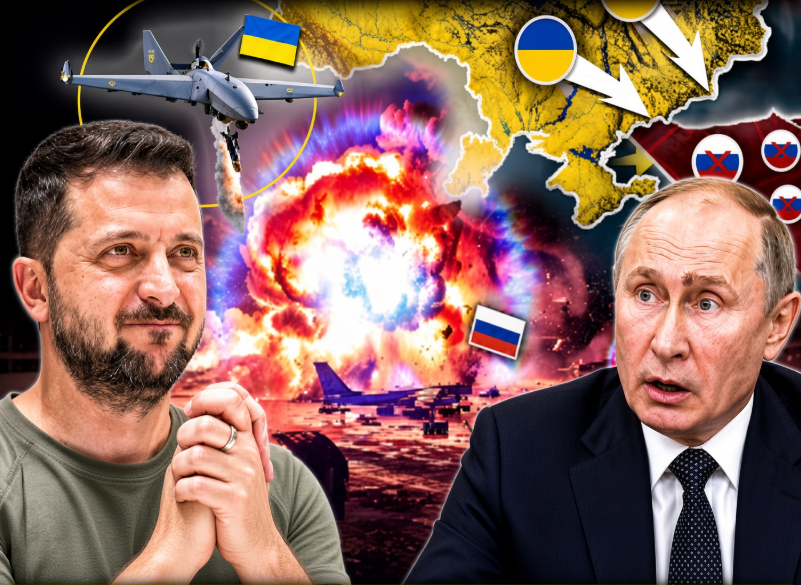
Ukraine has reportedly launched another wave of long-range strikes against Russian military and energy infrastructure, targeting a military airfield, an oil refinery, drone-related facilities, and electronic-warfare systems. The reported attacks highlight Kyiv’s continued efforts to disrupt the infrastructure supporting Russia’s military operations far beyond the front lines.
One reported target is Rostov-Central Airfield, where military aviation assets and supporting infrastructure could be strategically significant. Transport aircraft and helicopters play important roles in moving personnel, equipment, and supplies. Any confirmed damage could affect local operational capacity, although the extent of the reported impact requires independent verification.
Another reported target is the Slavneft-YANOS oil refinery in Yaroslavl, a major industrial facility within Russia’s fuel-processing network. Refineries are important to the broader economy and can also contribute to the supply chains that sustain military transportation and logistics. Disruptions may create additional costs, but the consequences depend on the actual damage, repair timelines, and the availability of alternative fuel supplies.
The strikes also reportedly targeted a drone storage, preparation, and launch hub near occupied Donetsk. Such facilities can support the handling and deployment of unmanned aircraft used for reconnaissance and attacks. Electronic-warfare systems are another important component of the conflict, as they can interfere with communications, navigation, and drone operations.
Ukraine’s expanding long-range drone campaign reflects a broader effort to place pressure on Russian military logistics, fuel supplies, aviation assets, and unmanned systems. Rather than focusing exclusively on battlefield positions, these operations seek to affect the supporting networks that enable sustained military activity.
The attacks are unfolding as diplomatic efforts continue and Russia maintains missile and drone strikes against Ukrainian cities and infrastructure. This creates a conflict in which battlefield operations, industrial capacity, air defense, and long-range weapons increasingly interact.
Ultimately, the strategic significance of these reported strikes will depend on verified damage assessments, operational disruptions, and Russia’s ability to repair or replace affected equipment. Independent evidence remains essential when evaluating claims from either side.