Hegseth Warns Iran as US Claims Control of Strait of Hormuz
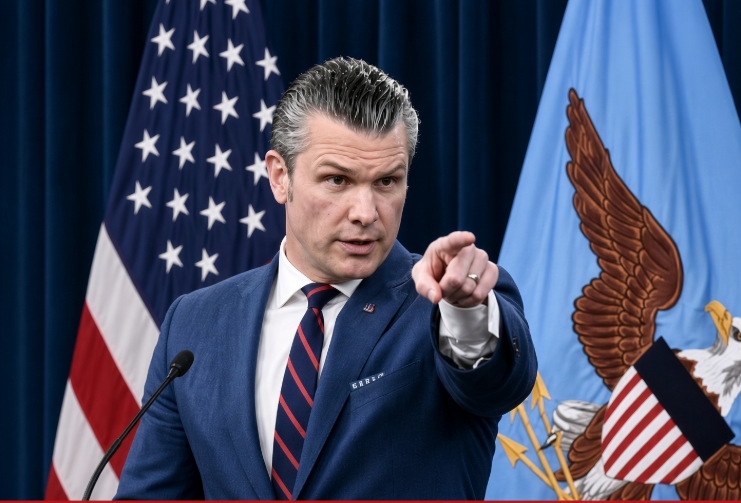
US Defence Secretary Pete Hegseth has warned Iran that President Donald Trump is prepared to authorize further military action if Tehran refuses to abandon its nuclear ambitions. The warning comes amid escalating tensions over the Strait of Hormuz, a critical international shipping route for global energy supplies.
Hegseth claimed that the United States controls the strategic waterway and said the American blockade against Iran is working. He also asserted that US military strikes have significantly weakened Iran’s defensive systems and missile capabilities, increasing pressure on Tehran to reconsider its position.
Washington is demanding restrictions on Iran’s nuclear programme, arguing that preventing Tehran from developing nuclear weapons remains a major security priority. The Trump administration has signalled that diplomatic negotiations remain possible, but its warnings suggest that military options have not been ruled out if an agreement cannot be reached.
Iran, however, continues to defend its right to uranium enrichment and has presented its own demands as part of any potential deal. Tehran wants sanctions relief, an end to the US blockade and access to frozen Iranian assets. These conditions highlight the significant differences separating the two sides, making a diplomatic breakthrough uncertain.
The Strait of Hormuz remains central to the confrontation because of its importance to international oil and gas shipments. Any prolonged disruption to maritime traffic could increase energy prices, raise transportation costs and create wider economic uncertainty. Although Hegseth described the US position as strong, claims about control of the waterway and the effectiveness of the blockade remain important military and geopolitical issues.
The standoff now places pressure on both Washington and Tehran to determine whether negotiations can produce a workable agreement. Trump’s threat of additional military action raises the stakes, while Iran’s insistence on maintaining its nuclear rights suggests that major disagreements remain unresolved.
For now, the situation remains tense, with the future of the nuclear negotiations, sanctions and maritime security closely linked. Whether diplomacy can prevent another round of military escalation will depend on the concessions both governments are ultimately willing to make.