Fire at Russia’s Rocket Factory: What’s Really Happening?
Something may be changing inside Russia as Ukraine’s expanding long-range capabilities increasingly challenge the country’s sense of strategic depth. From aerospace infrastructure and airports to airspace security and drone warfare, the geography of the Russia-Ukraine conflict continues to evolve.
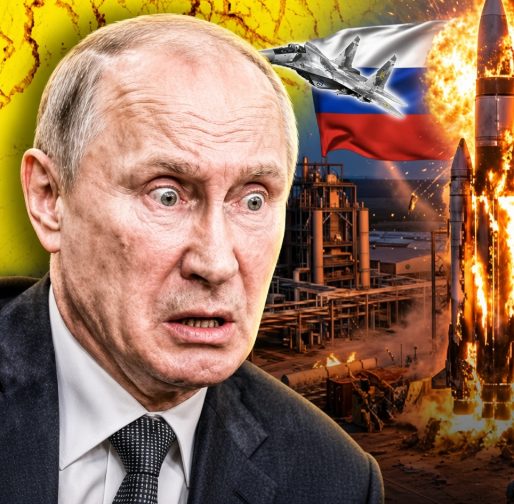
One major development is a reported fire at a facility connected to Proton-PM and Russia’s rocket-engine industry. The company forms part of Russia’s broader aerospace network and has links to rocket engines used in the Angara launch program. However, there is currently no confirmed evidence establishing that Ukraine caused the fire, making it important to distinguish the incident itself from speculation about its origin.
The event comes amid increasing reports of Ukrainian drones reaching deep inside Russian territory. At the same time, disruptions affecting Russian airports and flight schedules illustrate how drone threats can create consequences far beyond individual military targets. Even when attacks do not directly damage strategic facilities, the perceived risk can force authorities to restrict airspace, reroute aircraft, and impose additional security measures.
This raises a broader question about Russia’s strategic heartland: how effectively can Moscow protect critical infrastructure across such a vast territory while maintaining air defenses for military operations and frontline forces?
Ukraine’s long-range campaign is designed to exploit this challenge by extending the potential battlefield far beyond the immediate front. Russia, meanwhile, continues to adapt its defenses and respond to threats against military, industrial, and civilian infrastructure.
The reported rocket-facility fire should therefore be viewed cautiously until additional evidence establishes its cause and consequences. Nevertheless, the combination of infrastructure incidents, aviation disruptions, and expanding drone operations demonstrates the growing complexity of the aerial contest.
Ultimately, the developments highlight a central feature of modern warfare: strategic depth is becoming harder to maintain when relatively inexpensive long-range drones can threaten targets hundreds of kilometers from the battlefield. The longer-term impact will depend on Ukraine’s capabilities, Russia’s defensive adaptations, and independently verified evidence from inside Russia.