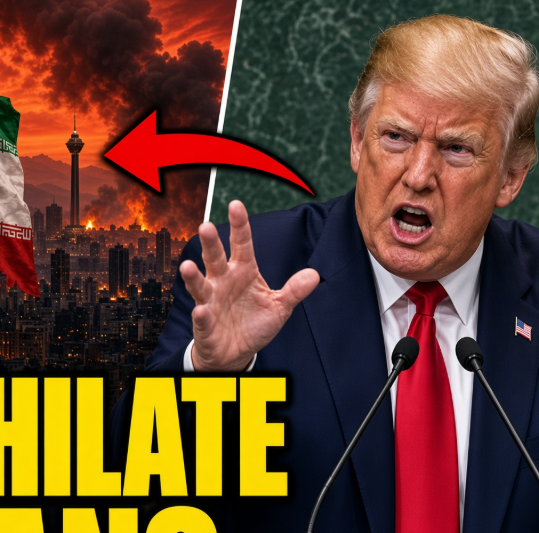
President Donald Trump used a high-profile appearance at the United Nations to issue forceful remarks about Iran, raising questions about whether the United States could take further military action against Tehran. His comments reportedly focused on the possibility of escalating pressure if Iran does not meet Washington’s demands, including the administration’s concerns over Iran’s nuclear program and broader regional activities.
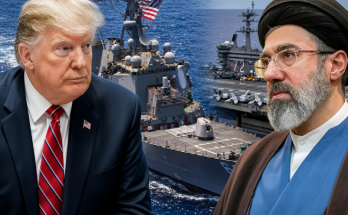
Trump’s rhetoric underscored the growing tensions between Washington and Tehran and suggested that military options remain under consideration. By publicly raising the possibility of severe action, the president emphasized that the United States is prepared to use its military capabilities if diplomatic efforts fail.
The remarks also placed renewed attention on the international community’s role in preventing a wider conflict. Any additional US military action against Iran could have consequences beyond the two countries, potentially affecting regional security, energy markets, and relations between Washington and its allies.
Iran has consistently rejected pressure aimed at forcing it to abandon its nuclear ambitions and has maintained that its nuclear activities are intended for peaceful purposes. Tehran has also warned that military attacks could trigger retaliation, increasing the risk of a broader confrontation across the Middle East.
Trump’s comments therefore leave open several possibilities, ranging from renewed diplomatic negotiations to additional sanctions or military operations. The precise meaning and timing of any potential action remain unclear.
The UN setting added significance to the remarks, placing the dispute within a broader international framework. As diplomatic efforts continue alongside military preparations, the central issue remains whether Washington and Tehran can reach an agreement that prevents further escalation or whether increasingly confrontational rhetoric will lead to another dangerous phase in the conflict.