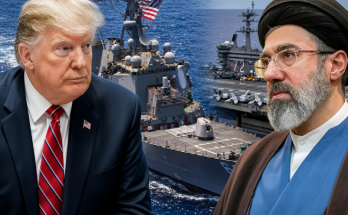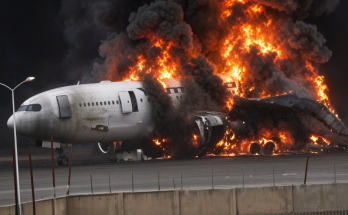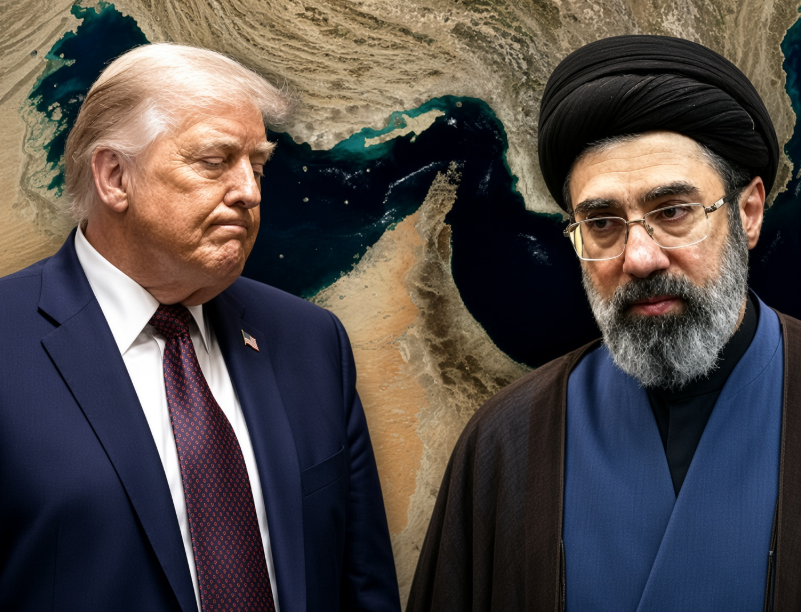
Iran has reportedly laid out seven conditions for reopening the Strait of Hormuz, increasing pressure on the Trump administration as tensions between Washington and Tehran continue to escalate. Iranian Parliament Speaker Mohammad Bagher Ghalibaf said the strategically vital waterway will remain closed until Iran’s demands are addressed.
According to the report, Tehran’s conditions include lifting the U.S. naval blockade, restoring Iranian assets that have been frozen, removing oil-related sanctions, and ending military operations against Iran. Iran is also demanding the withdrawal of U.S. forces from areas surrounding the country, compensation for damages caused by military action, and guarantees concerning its nuclear and missile capabilities.
The demands represent a broad challenge to Washington and could make negotiations significantly more difficult. The Strait of Hormuz is one of the world’s most important energy corridors, carrying a substantial share of global oil and gas shipments. Any prolonged disruption could therefore create wider economic consequences, including higher energy prices and increased pressure on international markets.
Ghalibaf’s warning also signals that Tehran intends to use control over the waterway as leverage in negotiations. For the Trump administration, the situation creates a difficult choice between diplomatic engagement and continued military and economic pressure.
The standoff remains highly uncertain, with the possibility of further escalation alongside efforts to reopen negotiations. The key question is whether Washington and Tehran can find enough common ground to restore shipping through the Strait, or whether the dispute will develop into a broader regional confrontation.