Moldova’s move toward European Union membership represents a significant development in its long-running effort to reduce dependence on Russia. Under President Maia Sandu, the country has pursued closer ties with European institutions despite reported Russian interference, energy pressure, and attempts to influence domestic politics.
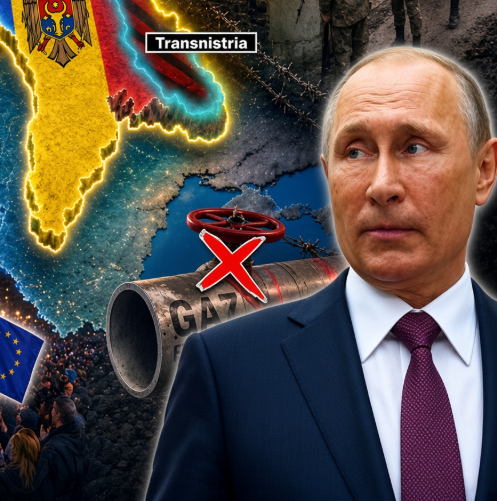
The report alleges that the Kremlin used winter gas disruptions and more than $100 million in illicit funding linked to Moldovan fugitive oligarch Ilan Shor to undermine Moldova’s pro-European direction. Such allegations reflect broader concerns about foreign financing and political interference, although the specific amounts and attribution of responsibility require careful verification.
Moldova’s EU accession process could strengthen its economic and institutional links with Europe, but membership remains a process involving reforms, negotiations, and approval by EU institutions and member states. It does not automatically resolve Moldova’s security challenges.
Transnistria remains a central complication. The breakaway region hosts Russian troops and a substantial stockpile of Soviet-era ammunition, often cited at approximately 20,000 tons. Its position, dependence on external trade, and unresolved political status create challenges for both Moldova and regional security. However, describing the territory as completely isolated or Russia’s forces as entirely trapped would require evidence about current supply routes and operational conditions.
Closer cooperation with Romania may offer Moldova additional energy, economic, and security options. Nevertheless, possible unification with Romania remains a separate political question rather than an established outcome.
Overall, Moldova’s European integration highlights the contest over political influence in the former Soviet space. Its long-term implications will depend on accession progress, domestic resilience, energy diversification, and the future of the Transnistria dispute.