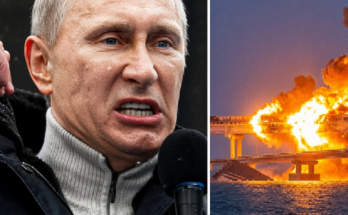
Russia’s railway network is facing growing scrutiny over its financial health and its ability to support the country’s military logistics. The report claims that state-owned Russian Railways (RZD) is burdened by approximately $52 billion in debt, while Ukrainian long-range strikes and alleged partisan sabotage have disrupted rail infrastructure and freight operations.
The account further alleges that more than 300,000 railcars have been immobilized, forcing Russian authorities to redirect resources and reuse equipment to keep essential transport routes operating. The figure requires independent verification, as railcars may be idle for different reasons, including maintenance, reduced demand, congestion, and shortages of replacement parts.
Rail transport is central to Russia’s ability to move fuel, ammunition, equipment, and personnel across its vast territory. Sustained damage to rail lines, bridges, depots, or locomotives could increase delivery times and operating costs, placing additional pressure on military supply chains. Financial difficulties at RZD could also complicate investment in repairs and replacement equipment.
The report describes fuel shortages and the deployment of OMON riot police to protect vulnerable infrastructure, suggesting that transport disruptions may be creating wider domestic pressures. However, the alleged clashes, the scale of fuel shortages, and claims that the railway system has effectively been severed require further corroboration.
The broader issue is whether financial strain and repeated disruptions can reduce Russia’s logistical flexibility over time. While railway debt and infrastructure damage may constrain operations, they do not by themselves establish an irreversible collapse. The long-term impact will depend on RZD’s finances, repair capacity, available rolling stock, and the military’s ability to adapt its supply routes.