Turkey’s Russia Policy and Black Sea Strategy Face Renewed Scrutiny
Turkey’s relationship with Russia is under renewed scrutiny amid claims that Ankara has sharply reduced Russian oil imports while expanding military cooperation with Ukraine. The report presents these developments as part of a broader shift in Black Sea security, but the alleged complete oil cutoff, specific weapons package, and scale of Russia’s fiscal deficit require independent verification.
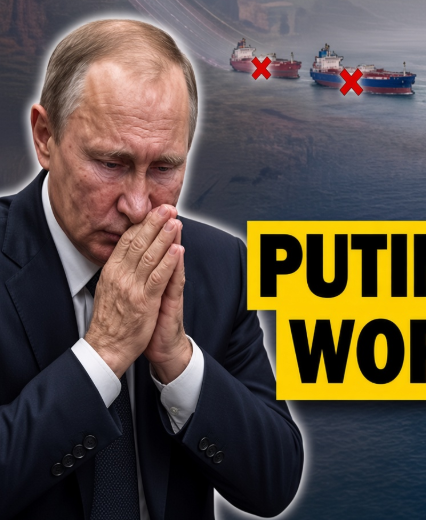
The analysis highlights Turkey’s position under the Montreux Convention, which governs passage through the Bosporus and Dardanelles. Following Russia’s full-scale invasion of Ukraine, Turkey invoked provisions restricting the passage of warships belonging to belligerent states, subject to the convention’s terms and exceptions. These restrictions affect naval movements through the straits, but they do not mean Turkey has completely sealed the Black Sea or independently eliminated Russia’s naval capabilities.
The report also discusses alleged Turkish military assistance to Ukraine, including a $300 million package featuring ATACMS missiles and plans to build two Ada-class corvettes for the Ukrainian Navy. These claims should be verified against official announcements, as the weapons, financing, delivery arrangements, and shipbuilding plans have not been established by the supplied material.
On the economic front, the video cites a Russian budget deficit of $77 billion and claims that financial pressures are disrupting military payments and naval shipyard operations. Fiscal strains and reduced energy revenues can constrain government spending, but the specific deficit figure, its measurement period, and the alleged effects on military operations require supporting evidence.
Turkey’s policy reflects the challenge of balancing economic ties with Russia, support for Ukraine, and its own regional security interests. Any reduction in Russian oil purchases or increase in military cooperation could have consequences for bilateral relations and Black Sea security. However, the overall strategic impact depends on confirmed policy changes, implementation, and Russia’s ability to adapt to economic and military constraints.