China’s China–Kyrgyzstan–Uzbekistan Railway Could Reshape Eurasian Trade Routes
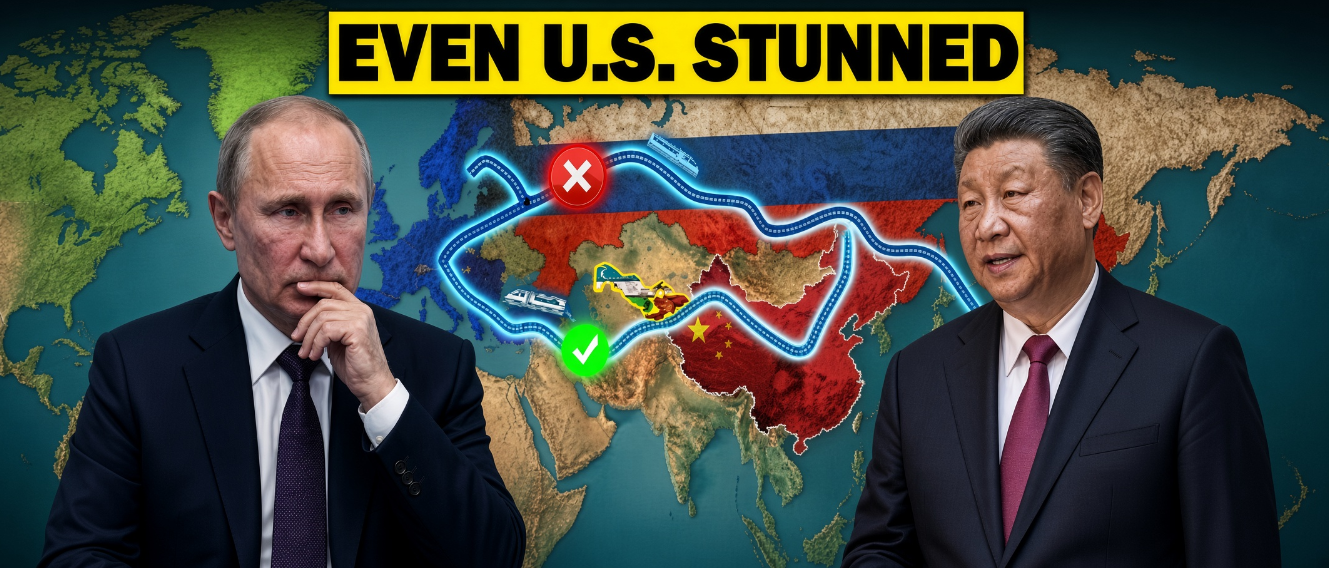
China’s planned China–Kyrgyzstan–Uzbekistan (CKU) railway is intended to create a new transport corridor through Central Asia, offering an alternative route for freight moving between China and markets farther west without crossing Russian territory. The project could diversify regional trade routes and reduce reliance on established transport networks that pass through Russia, although claims that it will eliminate Russian transit or dramatically shorten all Europe-bound journeys require closer examination.
The railway is a major engineering undertaking because its route crosses mountainous terrain in Kyrgyzstan. Tunnels, bridges, and difficult geological conditions contribute to construction costs and complexity. The figures cited in the report—including a project cost of approximately $4.7 billion, more than 10,000 workers, and thousands of machines—should be checked against current official project information.
For China, the corridor could strengthen commercial links with Central Asia and provide additional options for moving goods toward western markets. For Kyrgyzstan and Uzbekistan, it offers the prospect of investment, transit revenue, and improved connectivity. However, the project’s ultimate impact will depend on construction progress, operating costs, border procedures, freight capacity, and connections to other rail networks.
The report also discusses Russia’s growing economic relationship with China, including yuan-denominated trade, cross-border payment systems, and negotiations over the proposed Power of Siberia 2 gas pipeline. These developments reflect the importance of energy pricing, market access, and financial infrastructure in the wider relationship. Claims that Russia is entirely dependent on China’s CIPS payment system or that Beijing has demanded a specific 40% discount on liquefied natural gas require independent verification.
The CKU railway could gradually change the balance of Eurasian transport by giving shippers another route and increasing competition among transit corridors. Rather than automatically ending Russia’s role in regional trade, its significance will depend on how efficiently the new route operates and how businesses respond to the additional choice.