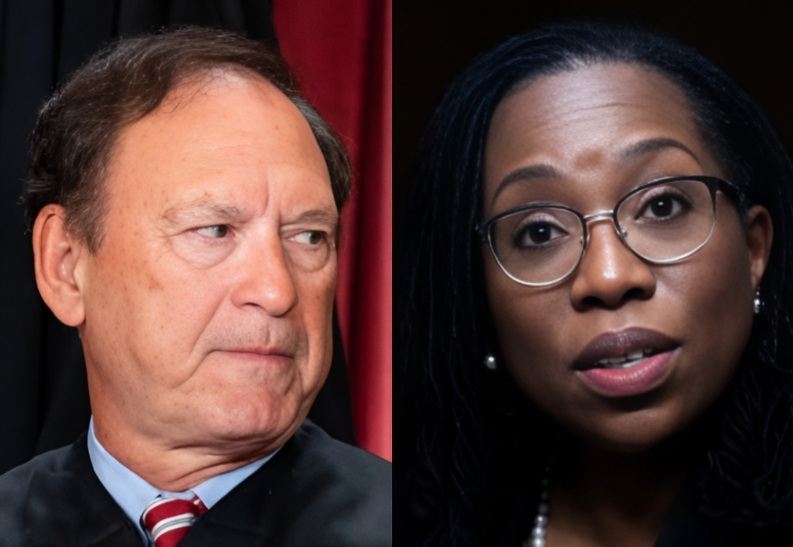
Supreme Court decision in Louisiana v. Callais, focusing on the legal disputes surrounding state redistricting and racial considerations.
Core of the Legal RulingThe Supreme Court issued a decision in Louisiana v. Callais, striking down a previously revised state congressional map. While the state legislature had created a map with an additional majority-Black voting district to comply with Section 2 of the Voting Rights Act (VRA), this revision faced constitutional challenges. The high court ultimately ruled the map unconstitutional, finding that the map impermissibly used racial quotas and prioritized race in a manner that violated the U.S. Constitution. Impact on Voting Maps and TimelinesThe Supreme Court approved Louisiana’s formal request to waive the traditional 32-day waiting period typically required before a high court decision officially takes effect. This waiver allows the state to immediately pause its ongoing primary elections and grants lawmakers the time needed to redraw the congressional boundaries in a constitutionally valid manner.
While the VRA remains active, commentators note this decision opens the door for broader redistricting adjustments across southern states without the immediate threat of specific legal challenges. Partisan and Judicial Friction The ruling highlighted deep ideological rifts on the bench, specifically prompting a sharp dissent from Justice Ketanji Brown Jackson and an equally firm response from Justice Samuel Alito. Critics of the court’s liberal wing argue that Justice Jackson’s dissent reads as left-wing judicial activism intended to undermine the court’s institutional credibility, further asserting that her legal arguments are disorganized and lack backing from fellow liberal Justices Elena Kagan and Sonia Sotomayor.