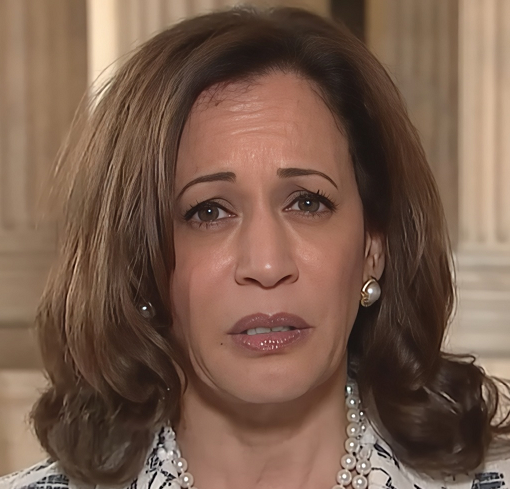
Kamala Harris officially secured the Democratic Party’s presidential nomination at the Democratic National Convention, marking a historic political milestone as the first Black and South Asian woman to lead a major party’s presidential ticket. The convention hall erupted in cheers, applause, and emotional celebration as delegates confirmed her nomination following months of political uncertainty after President Joe Biden stepped aside and endorsed her candidacy.
The nomination represented more than a procedural vote — it symbolized a major turning point for the Democratic Party heading into a fiercely contested election. Harris took the stage not as vice president or running mate, but as the party’s leading figure and its choice to compete for the White House in November. Delegates waved flags and signs celebrating both the historic nature of the moment and the high stakes of the campaign ahead.
Harris now inherits the challenge of uniting a Democratic coalition that has struggled with ideological divisions between progressives and moderates. Her campaign is expected to focus heavily on reproductive rights, economic fairness, climate policy, and protecting democratic institutions. Advisers have signaled a more aggressive campaign style that sharply contrasts her Republican opponent on both policy and leadership style.
Supporters view Harris as experienced, resilient, and capable of energizing younger voters, women, and minority communities. For many Americans, particularly women of color, her nomination carries deep symbolic importance and reflects broader progress in political representation. Grassroots organizations and advocacy groups quickly celebrated the announcement online and at events nationwide.
At the same time, Republicans immediately framed the election as a referendum on the Biden-Harris administration’s record, criticizing the handling of inflation, immigration, foreign policy, and crime. Conservative commentators moved quickly to portray Harris as closely tied to the administration’s weaknesses, while her supporters argue she represents a new phase of Democratic leadership.
In her acceptance speech, Harris balanced gratitude with urgency. She thanked President Biden and her family before emphasizing the importance of reproductive freedom, economic opportunity, climate action, and national unity. She also acknowledged that the election would be difficult and deeply divisive, describing it as a defining test for the country’s future.
Polls suggest the race could be extremely close, especially in key swing states. Harris performs strongly among younger voters, college-educated women, and minority communities, while facing challenges with some older and economically frustrated voters.
Ultimately, Harris’s nomination marks the official beginning of one of the most consequential and closely watched presidential campaigns in modern American history, with both parties preparing for a fierce battle over the nation’s political direction.