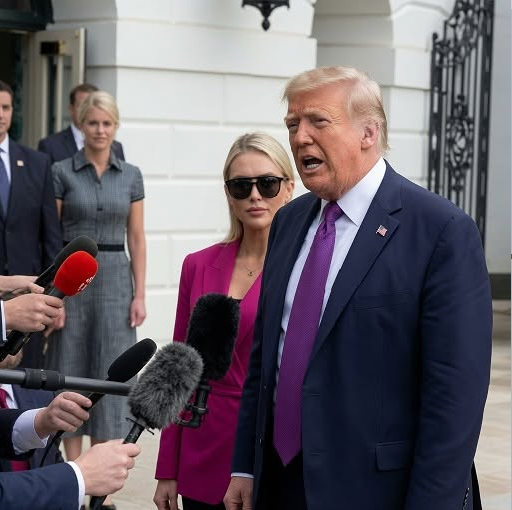
That Thursday became a landmark moment in American history when federal prosecutors brought criminal charges against former President Donald Trump for actions allegedly taken after leaving office. The indictment marked the first time a former U.S. president faced federal criminal charges connected to efforts to challenge the outcome of a presidential election. Prosecutors accused Trump of conspiring to defraud the United States, obstructing the certification of the 2020 election results, and interfering with rights related to the voting process.
According to the government’s case, the actions in question went beyond routine political disputes or legal challenges. Prosecutors argued that a coordinated effort was undertaken to disrupt the lawful transfer of presidential power following the election. They contend that these actions threatened the integrity of democratic institutions and undermined public confidence in the electoral system. The case therefore raises significant constitutional and legal questions about the limits of political conduct after an election and the responsibilities of public officials.
The charges immediately sparked intense debate across the country. Supporters of the prosecution view the case as a test of the principle that no individual, regardless of status or former office, is above the law. They argue that accountability is essential for maintaining trust in democratic institutions and preserving the rule of law. Others, however, see the prosecution as politically motivated and believe it unfairly targets a former president who remains a major political figure. These competing perspectives have contributed to deep divisions in public opinion.
As the legal proceedings continue, the focus is expected to center on evidence, witness testimony, legal interpretations, and constitutional arguments rather than political rhetoric. Courts will ultimately determine whether prosecutors can prove the allegations beyond the required legal standard. The outcome could have significant implications not only for the individuals involved but also for future presidents and public officials.
Regardless of the final verdict, the case is likely to remain one of the most consequential legal and political events in modern U.S. history. It has already influenced national discussions about presidential power, election administration, accountability, and democratic norms. The proceedings may help shape future expectations regarding how former leaders are investigated, prosecuted, and held accountable, while also affecting public trust in the nation’s legal and political institutions for years to come.