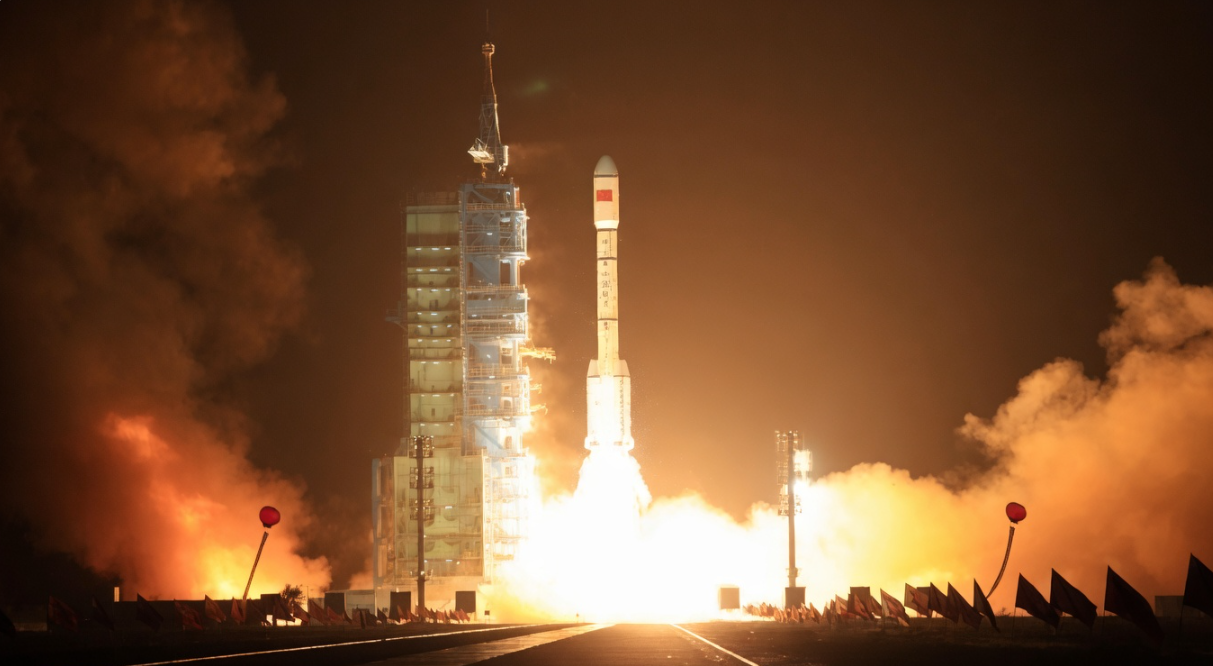
Iran secretly used a Chinese-built spy satellite to enhance its military targeting capabilities during the recent conflict. According to these reports, the satellite—identified as TEE-01B and developed by a Chinese company—was acquired by Iran’s Islamic Revolutionary Guard Corps (IRGC) in late 2024 after being launched into orbit from China.
Leaked documents referenced in the reporting suggest that Iranian military commanders used the satellite to monitor key United States military installations across the Middle East. The satellite reportedly provided high-resolution imagery, allowing Iran to track movements and infrastructure at bases in countries such as Saudi Arabia, Iraq, Jordan, and Bahrain. Time-stamped coordinates, orbital data, and satellite images were allegedly used to support targeting decisions before and after drone and missile strikes.
The system is said to have significantly improved Iran’s intelligence and reconnaissance capabilities compared to its previous domestic satellite technology. Access to Chinese-operated ground stations and data networks reportedly enabled faster processing and distribution of imagery, shortening the time between surveillance and potential strikes.
Analysts note that this development reflects a broader trend in modern warfare, where access to advanced satellite technology—whether military or commercial—can dramatically enhance a nation’s ability to conduct precision operations. It also highlights growing concerns in Washington and among its allies about deepening technological and strategic ties between China and Iran.
However, some aspects of the reports remain unverified, and official responses from Beijing and Tehran have been limited or have denied direct involvement. Nonetheless, the alleged use of foreign satellite capabilities in active conflict underscores the evolving role of space-based intelligence in shaping battlefield outcomes and global security dynamics.