According to U.S. officials cited by The Wall Street Journal, the United States Navy has intercepted eight crude oil tankers attempting to enter or leave Iran’s ports since the start of a maritime blockade earlier in the week.
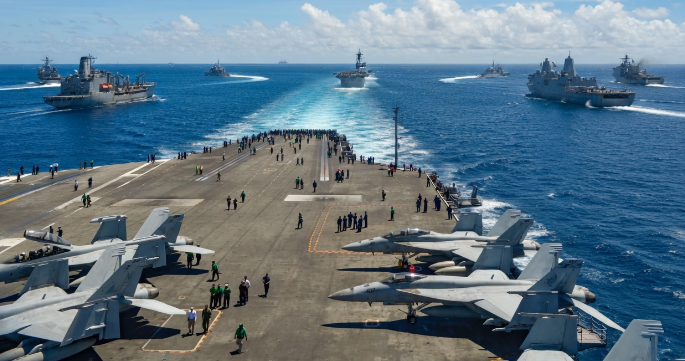
Officials stated that in each case, U.S. naval forces established radio communication with the vessels and instructed them to reverse course. All eight tankers reportedly complied with the orders, turning away without resistance. As a result, no boarding actions or forceful interventions were required during these encounters.
The interactions highlight a controlled enforcement approach, relying on communication and deterrence rather than direct confrontation. By avoiding physical boarding, U.S. forces appear to be managing the blockade in a way that reduces the risk of escalation while still achieving operational objectives.
The incidents are part of broader efforts to restrict maritime access to Iranian ports amid heightened regional tensions. Monitoring and redirecting commercial shipping traffic is a key component of such operations, particularly in strategically sensitive waterways connected to global energy supply routes.
Overall, the reported interceptions demonstrate how naval forces can enforce restrictions through presence and communication, while maintaining stability and minimizing the likelihood of direct conflict at sea.