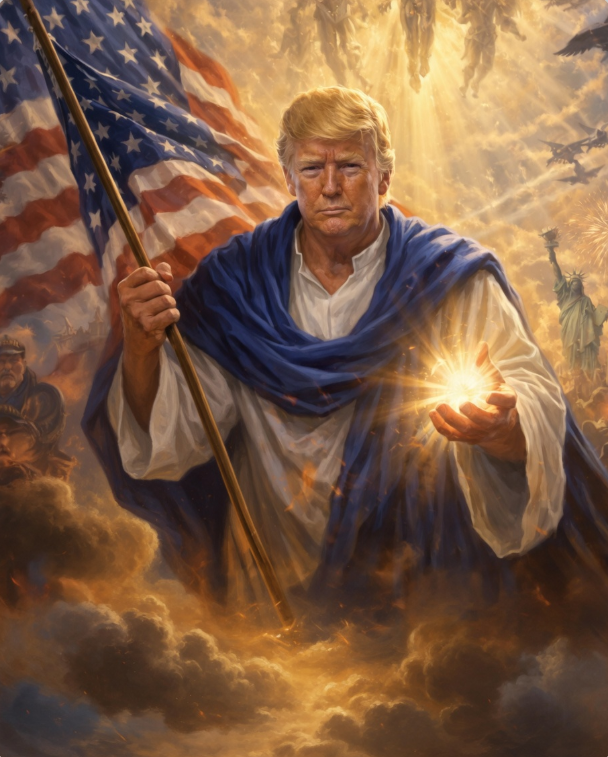
Recent online discussions have drawn attention to reactions from small or fringe groups within certain Christian communities expressing concerns or critical interpretations related to Donald Trump. These views, which appear primarily in social media commentary and informal discourse, have sparked broader debate about the relationship between religious belief and contemporary political figures.
Supporters of Trump and others in mainstream discourse tend to dismiss these claims as either exaggerated, misinterpreted, or symbolic in nature rather than grounded in verifiable evidence. They argue that such interpretations often reflect personal or theological perspectives rather than factual political developments. In contrast, some observers view the conversations as indicative of deeper cultural and ideological divisions within both religious and political communities.
The discussion remains largely opinion-driven, with no confirmed evidence supporting more extreme or literal interpretations of the claims being circulated. However, the topic continues to gain traction online, largely due to its emotionally charged nature and the visibility of debates involving faith, morality, and political identity.
Analysts of digital media note that social platforms can amplify niche or isolated viewpoints, allowing them to reach wider audiences and sometimes appear more significant than their original scope. This dynamic can contribute to misunderstandings or heightened perceptions of controversy.
Overall, the situation reflects ongoing tensions at the intersection of religion, politics, and media in the digital age. It highlights how personal beliefs and ideological differences can become amplified in online environments, shaping public narratives even when the underlying claims remain unverified or limited in scope.