According to a statement from United States Central Command (CENTCOM), an Iranian-flagged cargo vessel attempted to bypass a U.S.-enforced maritime blockade while transiting the Strait of Hormuz. The vessel had departed from the Iranian port of Bandar Abbas and was reportedly attempting to continue through the restricted area despite ongoing enforcement measures.
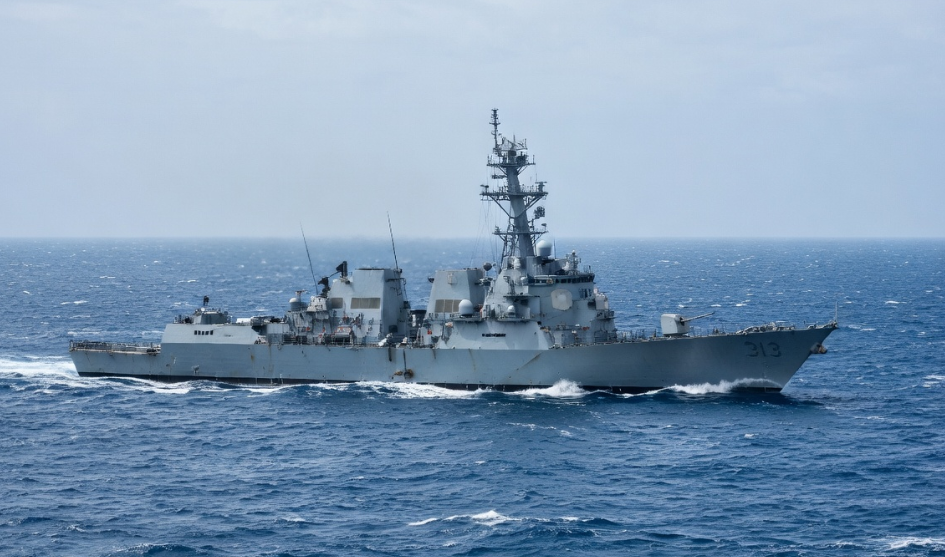
CENTCOM stated that the USS Spruance (DDG-111) intercepted the ship and issued radio instructions directing it to alter course. Following the interaction, the cargo vessel complied and returned toward Iranian waters without further escalation or the need for boarding.
The report indicates that this incident is part of a broader pattern of enforcement actions related to the blockade, with CENTCOM confirming that a total of ten vessels have now been redirected since the operation began. In all documented cases, U.S. naval forces relied on communication and presence rather than direct engagement, and all targeted vessels reportedly complied with instructions to turn back.
The Strait of Hormuz remains one of the most strategically significant maritime corridors in the world, with a substantial portion of global energy shipments passing through its narrow passage. As a result, any disruption or restriction in the area has immediate implications for international trade and energy markets.
CENTCOM’s statement underscores the ongoing emphasis on controlling maritime traffic linked to Iranian ports amid heightened regional tensions. The use of destroyers such as the USS Spruance highlights the operational role of U.S. naval forces in monitoring, intercepting, and redirecting shipping activity in contested waters.
Overall, the incident reflects continued enforcement of maritime restrictions through non-violent interception methods, as well as the broader strategic importance of the Strait of Hormuz in global security and energy supply chains.