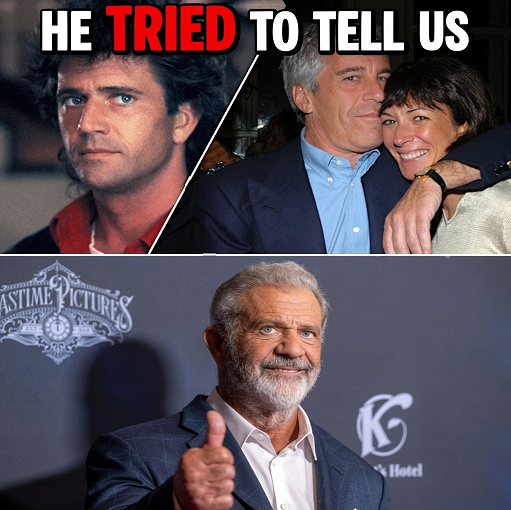
Mel Gibson and his reputation in Hollywood, particularly in light of renewed public interest in the crimes of Jeffrey Epstein and broader concerns about corruption among powerful elites. It presents the view held by some supporters that Gibson, once dismissed as a controversial and unstable figure, may have been raising concerns about misconduct within the entertainment industry long before such topics gained widespread attention.
For much of the late 1990s and early 2000s, Gibson spoke critically about Hollywood, describing it as morally troubled and suggesting that powerful figures operated within a culture of exploitation and secrecy. At the time, many observers viewed these comments as part of a pattern of controversial behavior that damaged his public standing. His personal scandals, public outbursts, and inflammatory remarks led many in the industry and media to distance themselves from him.
In recent years, however, some commentators have revisited Gibson’s statements, arguing that revelations surrounding Epstein’s sex-trafficking network have caused people to take allegations of elite misconduct more seriously. Supporters claim that Gibson’s criticisms of Hollywood reflected genuine concerns about abuse and exploitation rather than mere paranoia. Others remain skeptical, noting that criticism of corruption does not erase or excuse his past behavior and controversies.
The article also discusses Gibson’s 2004 film The Passion of the Christ, which he largely financed himself after major studios declined to support the project. Some supporters view this moment as evidence that he had become increasingly independent from traditional Hollywood institutions. They argue that his willingness to fund and distribute the film outside conventional studio systems contributed to his image as an outsider challenging industry norms.
A significant portion of the discussion centers on Epstein and claims regarding his purchase of large quantities of sulfuric acid. The article notes that sulfuric acid is a highly corrosive chemical capable of destroying organic material. It suggests that reports about such purchases have fueled speculation regarding the destruction of evidence. However, many of these claims remain subjects of debate, and conclusions about their significance have not been definitively established through public legal findings.
The article also connects Gibson’s reputation to the 2023 film Sound of Freedom, starring Jim Caviezel. Although Gibson did not produce the film, his name is often associated with Caviezel because the actor previously starred in The Passion of the Christ. Sound of Freedom focuses on child trafficking and depicts tactics used by traffickers to lure and exploit victims. Supporters argue that the film helped bring greater public attention to a serious global problem, while critics have debated aspects of its messaging and public reception.
Ultimately, the article portrays Gibson as a deeply polarizing figure. To supporters, recent revelations about powerful individuals involved in criminal conduct lend credibility to some of his long-standing criticisms of Hollywood and elite circles. To critics, Gibson remains a complex and controversial figure whose past conduct cannot be overlooked. The broader conclusion is that public understanding of exploitation, trafficking, and abuse among influential individuals has evolved significantly over the past few decades, leading some people to reassess earlier warnings that were once dismissed. However, the article’s claims about secret networks, rituals, or specific conspiracies remain matters of speculation rather than established fact.