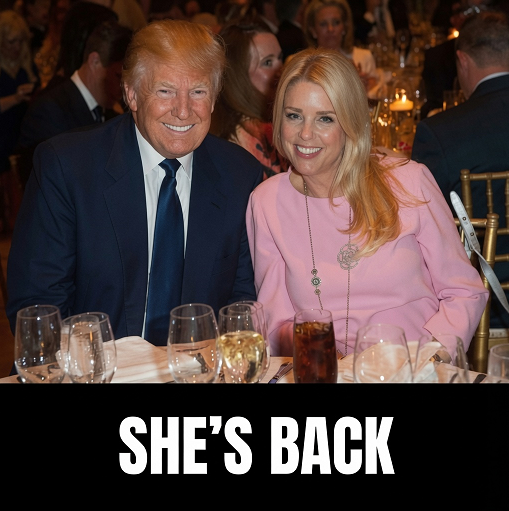
A closed-door congressional interview with former U.S. Attorney General Pam Bondi focused on the federal government’s handling of records related to Jeffrey Epstein and ongoing questions about transparency, document releases, and whether additional materials remain undisclosed.
Appearing before the House Oversight Committee, Bondi defended the Justice Department’s actions, arguing that it had released more Epstein-related information than any previous administration and fulfilled all legal disclosure requirements.
During her testimony, Bondi stated that the department had undertaken an extensive review process involving millions of pages of records. She described the effort as an unprecedented commitment to transparency and said that approximately three million pages of material were ultimately released. At the same time, she acknowledged that mistakes occurred during the process, including redaction errors that led to some victim information being improperly disclosed. Bondi explained that oversight of the release process had been delegated to then-Deputy Attorney General Todd Blanche, who now serves as acting attorney general.
The hearing marked Bondi’s first major public defense of the department’s handling of the Epstein files since leaving office. Lawmakers questioned her about whether additional records could still be released. Committee Chairman James Comer said Congress wants to determine whether any documents remain legally eligible for disclosure, emphasizing that he wants complete transparency regarding the case.
Democratic lawmakers focused on Bondi’s refusal to discuss conversations involving Donald Trump.
According to participants, Bondi cited executive privilege and long-established protections covering communications between presidents and senior officials. Critics argued that her refusal limited efforts to better understand the administration’s handling of Epstein-related records. Some Democrats also criticized the fact that the interview was conducted behind closed doors and was not recorded for public release.
Questions surrounding Trump’s past interactions with Epstein surfaced repeatedly. According to documents referenced during the investigation, Trump reportedly contacted Palm Beach authorities during the 2006 investigation into Epstein and expressed support for efforts to stop him. Records also reportedly indicate that Trump distanced himself from Epstein after observing him in situations involving teenage girls. Supporters argue these records challenge allegations made by some political opponents regarding Trump’s relationship with Epstein.
Bondi was also questioned about Ghislaine Maxwell, who is serving a 20-year federal prison sentence for sex trafficking offenses connected to Epstein’s operation.
According to reports from the hearing, Bondi stated that she opposes any pardon for Maxwell and believes she should remain incarcerated for the remainder of her life.
The hearing took place months after Congress passed legislation requiring the Justice Department to release Epstein-related investigative materials. While Bondi maintained that the department has met its obligations and provided an unprecedented level of transparency, lawmakers from both parties continue to debate whether additional records exist and whether further disclosures are possible. The discussion highlights the ongoing public and political interest in the Epstein case and the broader questions surrounding government transparency and accountability.