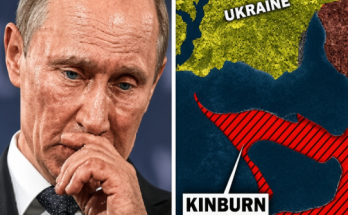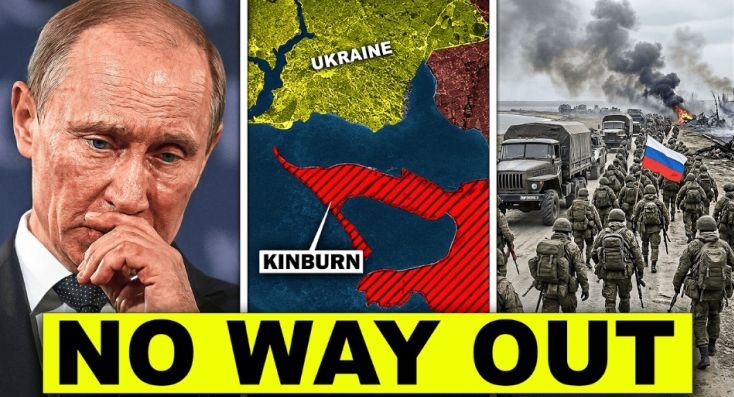
Ukraine is intensifying pressure on Russian forces holding the Kinburn Spit, a strategically important strip of land in Mykolaiv Oblast overlooking the Black Sea and the approaches to the Dnipro River. Ukrainian strikes against Russian supply routes have reportedly made it increasingly difficult for Moscow to maintain its positions there, with some Russian units reportedly withdrawing because ammunition, fuel and food supplies have been disrupted.
Reports have described the situation as a potential logistical trap for Russian forces, with Ukrainian commanders saying that thousands of Russian troops may be increasingly isolated. One recent report put the number at around 2,500, although that figure should be treated as a reported estimate rather than an independently verified count. Ukrainian attacks on roads, supply corridors and military positions have sought to limit Russia’s ability to reinforce and resupply the isolated garrison.
The battlefield around Kinburn is also becoming a testing ground for Ukraine’s expanding use of unmanned technology. In July, Ukraine’s 123rd Separate Territorial Defence Brigade released footage showing an unmanned maritime platform transporting an armed ground robot onto the occupied shoreline. The operation was described by the brigade as the first known combat mission of this type, highlighting how robotic systems are increasingly being integrated into Ukrainian military operations.
At the same time, Ukraine has continued targeting Russian military and logistical infrastructure across the Black Sea region. A major August attack on Novorossiysk damaged port and oil-terminal infrastructure, demonstrating Kyiv’s growing ability to threaten Russian logistics far from the immediate frontline. However, some Ukrainian claims about damage to Russian warships were not independently confirmed.
The developments around Kinburn therefore reflect a broader shift in Black Sea warfare. Ukraine is combining drones, long-range strikes, maritime systems and attacks on supply networks to pressure Russian positions while reducing the effectiveness of Moscow’s logistics. For Russia, maintaining isolated forces on the spit could become increasingly difficult if those supply problems continue.