Russia is facing growing domestic tensions as the Kremlin’s ongoing manpower shortages collide with increasing resistance among young people, university students, and military families. This PPR GLOBAL strategic analysis examines allegations of intensified recruitment pressure, expanding mobilization efforts, and public opposition to the war in Ukraine.
According to the report, more than 260 educational institutions have become recruitment targets, with authorities allegedly using threats of expulsion, campus restrictions, and misleading military contracts to encourage students to enlist. Some young men reportedly receive promises of relatively safe drone-operator positions but fear being reassigned to frontline infantry roles.
The analysis also explores underground evasion networks, including “Go to the Forest,” which reportedly helps individuals avoid military service. Meanwhile, facial-recognition checkpoints in Moscow’s metro system, detentions at bus stops, and document inspections across multiple regions are presented as examples of increasingly intrusive mobilization enforcement.
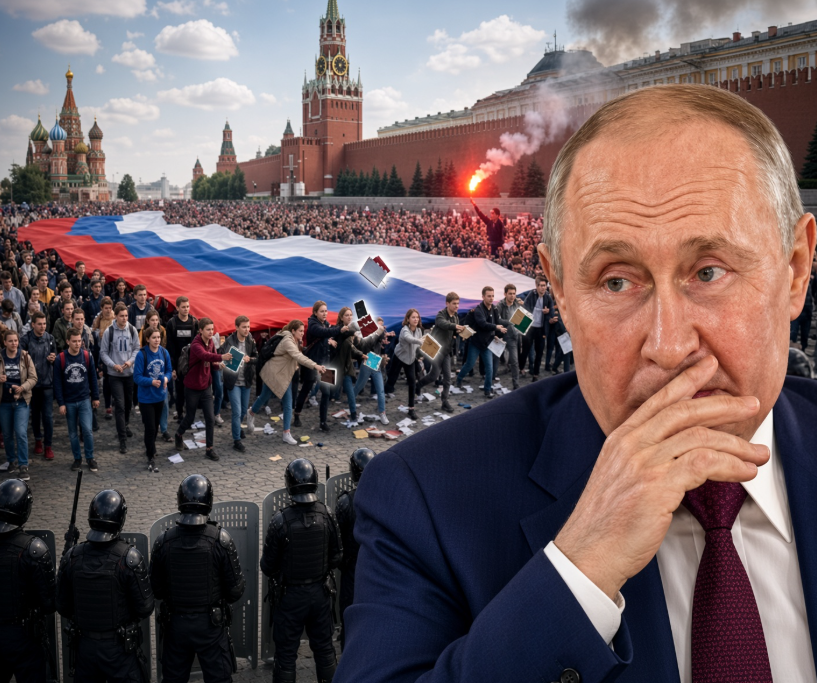
Public opposition is another major focus. The report highlights confrontations involving soldiers’ mothers in cities such as Samara and Tuapse, alongside anti-war demonstrations outside Moscow’s Supreme Court following the reported ban on the Yabloko party. These developments are examined as signs of growing public frustration with military recruitment and government policy.
The video also discusses alleged recruitment quota shortfalls, sustained battlefield losses, and fears of a potential 600,000-person mobilization. Leaked workplace mobilization exercises and intelligence assessments are cited as reasons for concern, although the scale and timing of any future call-up remain uncertain.
Drawing on historical comparisons with 1917, the analysis considers whether coercive conscription could deepen social instability and undermine public confidence in Russian authorities.
The report ultimately examines how recruitment pressure, youth resistance, and public dissent may affect Russia’s domestic stability as the war continues.