Ukraine and Russia have reportedly entered another intense phase of long-range strikes, as Moscow launches a major missile barrage against Kyiv and Ukraine responds with an extensive drone campaign targeting strategic infrastructure across Russia. The reported Russian attack involved expensive Kh-101 cruise missiles and Iskander ballistic missiles, testing Ukraine’s air defense network, including Patriot systems and mobile fire groups.
According to the account, Ukrainian defenses successfully intercepted the incoming threats, limiting the damage from Russia’s bombardment. Kyiv then launched a reported 36-hour retaliatory operation, deploying 384 kamikaze drones across 16 Russian regions. The scale of the attack highlights Ukraine’s continued reliance on relatively low-cost unmanned systems to challenge Russia’s military and economic infrastructure.
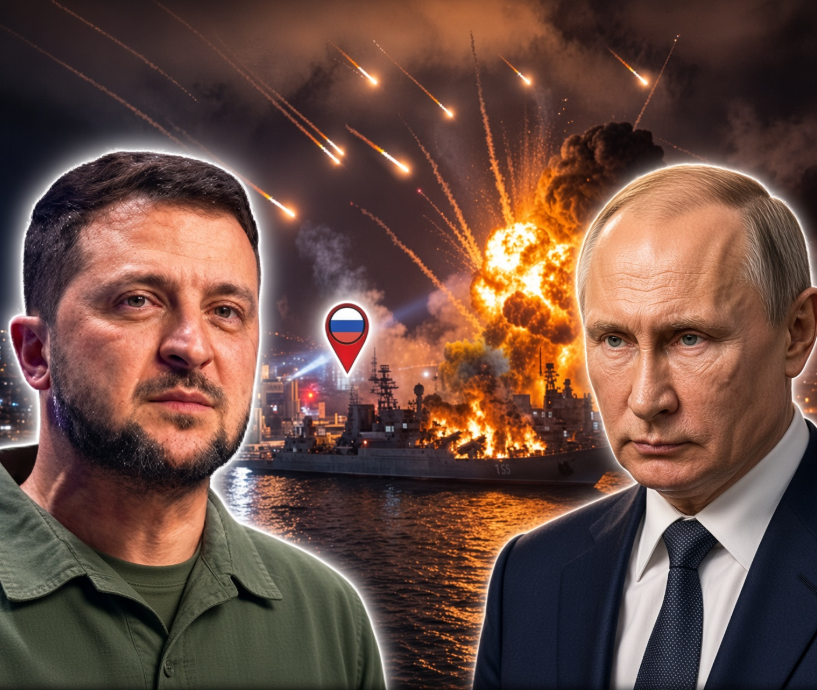
Among the reported targets was Novorossiysk, a strategically important Black Sea port that serves as a key operating location for Russia’s Black Sea Fleet. Drone strikes allegedly hit fuel terminals, raising concerns about the security of Russian naval logistics and energy infrastructure. The attack could complicate Russia’s ability to protect critical maritime facilities and maintain operational flexibility in the region.
Ukraine also reportedly targeted the Saratov Rosneft refinery, a significant component of Russia’s petroleum infrastructure. Damage to refining facilities and logistical networks could disrupt fuel supplies, increase repair costs, and place additional pressure on the resources supporting Russia’s military campaign.
Beyond the immediate physical damage, the operation carries a potential psychological impact. Drone attacks reaching multiple Russian regions can expose vulnerabilities in domestic air defenses and bring the consequences of the war closer to Russian civilians.
This Geo Network OSINT breakdown examines the reported missile interceptions, Ukraine’s large-scale drone response, and the strategic implications for Russia’s energy infrastructure, naval operations, and broader war effort. Independent verification remains essential to determine the full extent of the damage and operational consequences.