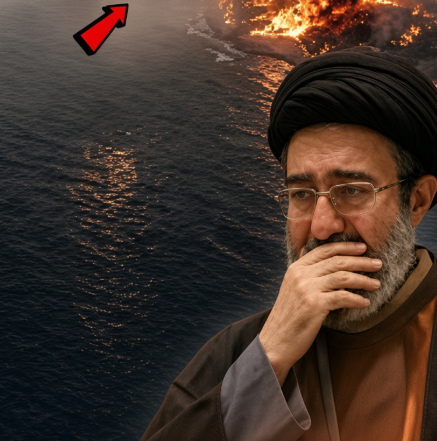
🇺🇸 The United States reportedly carried out a major military operation in the Strait of Hormuz, targeting Iran’s surveillance, command, and military infrastructure in one of the world’s most strategically important maritime corridors. A wave of low-flying Tomahawk cruise missiles advanced toward Iranian positions as Tehran attempted to detect the incoming attack, activate its defenses, and protect critical installations.
According to the account presented, American forces had spent days monitoring Iranian patrol routes, radar systems, coastal missile batteries, and military movements around the strait. This extensive surveillance reportedly enabled US forces to coordinate their strikes and anticipate Iran’s defensive responses. The operation involved multiple platforms and coordinated naval and aerial surveillance, allowing American forces to track emerging threats and identify additional targets.
🇮🇷 Iranian forces attempted to respond, with patrol boats opening fire, air defense systems engaging, and anti-ship missiles launched toward American forces. Despite these efforts, the operation continued from multiple directions. Tomahawk missiles reportedly struck facilities associated with Iran’s ability to monitor maritime activity, coordinate military operations, and maintain control over the surrounding waters. One launcher that reportedly moved from a protected position was also located and attacked.
⚠️ The potential consequences extend beyond the destruction of individual military installations. The Strait of Hormuz is a critical global energy transit route, and any significant degradation of Iran’s ability to observe, coordinate, and respond to military activity could affect its capacity to pressure commercial shipping and influence regional security.
This Crónica Militar analysis examines the reported operation, the challenges facing Iranian defenses against low-flying cruise missiles, and the role of American surveillance and naval coordination. It also explores how damage to Iran’s military monitoring network could reshape the strategic balance around Hormuz and influence future confrontations over control of these vital waters.