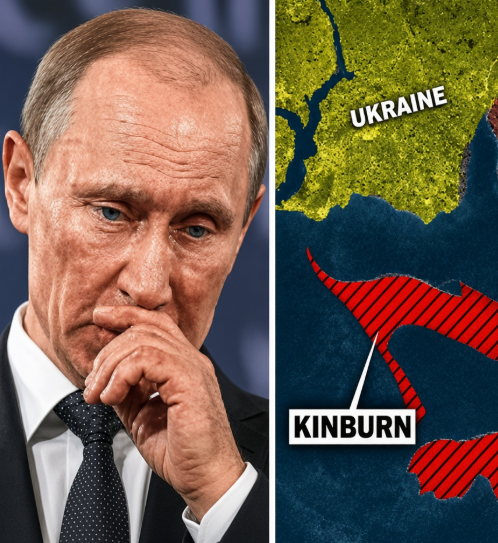
Ukraine is reportedly increasing pressure on Russian forces positioned on the Kinburn Spit, turning the strategically important peninsula into a difficult and increasingly isolated battlefield. Reports suggest that around 2,500 Russian troops may be concentrated in the area, with Ukrainian strikes targeting positions and supply routes that support the Russian presence.
The geography of the Kinburn Spit makes logistics particularly challenging. With limited routes for movement and resupply, sustained Ukrainian attacks could make it increasingly difficult for Russian forces to maintain their positions. Ukraine is also introducing robotic systems into operations in the area, marking an important development in the use of unmanned technology in the conflict. Ground and other robotic platforms can perform reconnaissance, deliver supplies, or conduct combat missions while reducing exposure of Ukrainian personnel.
The situation is connected to Ukraine’s broader campaign against Russian military and maritime logistics in the Black Sea. The reported strike on Novorossiysk demonstrated Ukraine’s ability to threaten Russian naval infrastructure and assets farther from the immediate front line. Such operations could force Russia to reconsider how it positions, protects, and supplies its forces across the region.
At the same time, Russian President Vladimir Putin has continued diplomatic activity, including engagement through the Shanghai Cooperation Organisation, while military pressures persist around the Black Sea.
The Kinburn situation therefore reflects a wider contest involving geography, drones, robotics, long-range strikes, and logistics. As Ukraine expands attacks on Russian supply networks, Moscow faces increasing challenges in sustaining isolated positions and maintaining freedom of movement along the Black Sea.