Reported Chinese Banking Restrictions Raise Questions About Iran’s Financial Stability
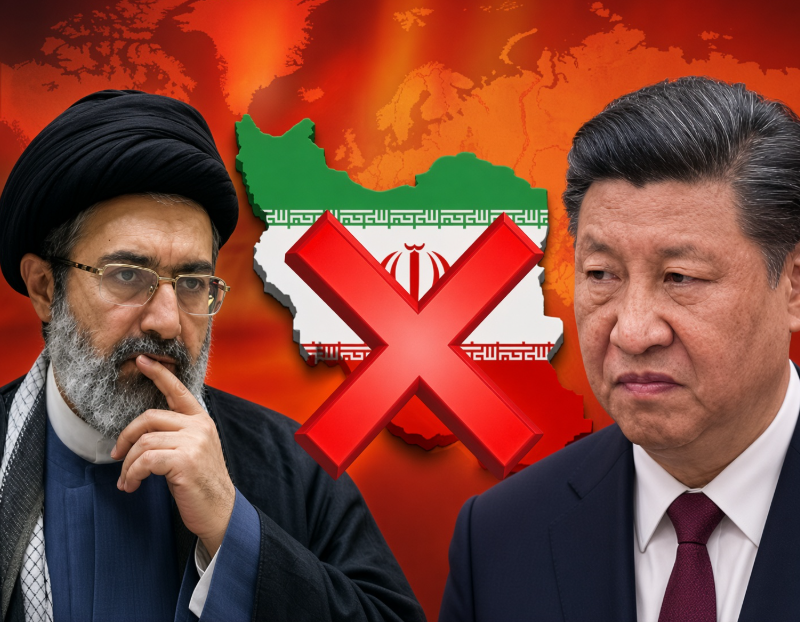
A report alleging that Chinese banks have frozen more than $50 billion in Iranian state assets and oil revenues describes a potentially significant challenge for Tehran’s economy. The claim raises questions about Iran’s financial dependence on China and the limits of their strategic partnership. However, the reported amount and the alleged broad asset freeze require independent verification.
Iranian President Masoud Pezeshkian’s government relies on oil exports and international financial channels to generate revenue and support domestic economic activity. Restrictions on Iranian funds held through Chinese banking networks could complicate payments, disrupt trade settlements, and limit Tehran’s access to foreign currency. The actual impact would depend on which institutions were involved, how much money was affected, and whether alternative payment arrangements remained available.
The reported developments also highlight the tension between China’s relationship with Iran and Beijing’s broader commercial interests. Despite their long-term strategic agreement and cooperation in energy and other sectors, Chinese financial institutions may seek to avoid exposure to sanctions that could threaten access to international markets. Such decisions would reflect financial and regulatory risks rather than necessarily indicating a complete breakdown in bilateral relations.
Iran’s energy sector could face additional difficulties if oil revenues became harder to collect or transfer. Reduced access to foreign currency could also intensify pressure on the rial, potentially worsening inflation and increasing public frustration. However, the scale of these effects would depend on the duration of any restrictions and the availability of alternative revenue channels.
Another concern involves Iran’s regional partnerships. Financial constraints could complicate support for allied organizations across the Middle East, although the extent of any resulting funding reductions remains uncertain.
Russia may provide diplomatic, economic, or military cooperation, but replacing China’s role in Iranian trade and finance would present substantial challenges.
Overall, the reported asset freeze highlights the potential vulnerability created by Iran’s reliance on external financial networks. Verification of the $50 billion figure and the scope of the banking restrictions is essential before concluding that Tehran faces an unprecedented financial crisis.