Ukrainian forces are reportedly exploiting vulnerabilities in Russian defensive positions through coordinated drone operations, deception, and counterattacks along sectors stretching from Kupyansk to Lyman. The analysis focuses on how attacks against fortified positions may have exposed Russian infantry to increased drone and artillery threats, while a prolonged operation around Lyman allegedly enabled Ukraine to prepare a counteroffensive with limited warning. The precise territorial gains and battlefield claims require independent verification.
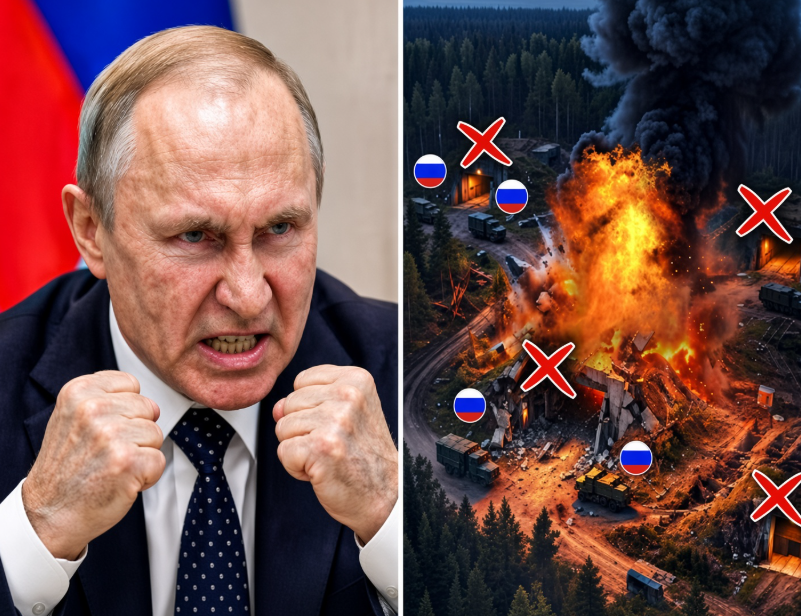
One key claim involves the destruction of 114 Russian defensive shelters. If accurately documented, damage to fortified positions could reduce protection for frontline troops and force Russian units to rely more heavily on dispersed positions or improvised defenses. The effectiveness of such attacks, however, depends on the condition of surrounding defenses and Russia’s ability to construct replacements.
The reported Lyman operation highlights the importance of operational security. By concealing troop movements, reconnaissance activity, and preparations over an extended period, Ukrainian forces may have reduced Russia’s ability to anticipate the direction and timing of an assault. Such tactics can create local advantages even when opposing forces possess significant resources.
The analysis also examines Russia’s use of foreign recruits. Foreign personnel have reportedly served in Russian formations, but their effectiveness can vary according to training, language, command integration, and battlefield experience. Claims that these recruits are creating widespread structural weaknesses require evidence beyond individual incidents.
Another major issue is the relationship between casualties and territorial gains. High losses do not necessarily produce proportional advances, particularly when attacking fortified positions, but casualty estimates themselves can vary considerably between sources.
Finally, contradictory battlefield reports and changing operational objectives may complicate assessments of Russia’s campaign. Differences between official statements, military bloggers, and independent observers can make the true situation difficult to establish.
Overall, the reported fighting illustrates the growing importance of drones, deception, fortified defenses, and information control in the conflict. Whether these developments represent a broader Russian offensive failure depends on verified losses, territorial changes, reinforcement capacity, and sustained battlefield performance.