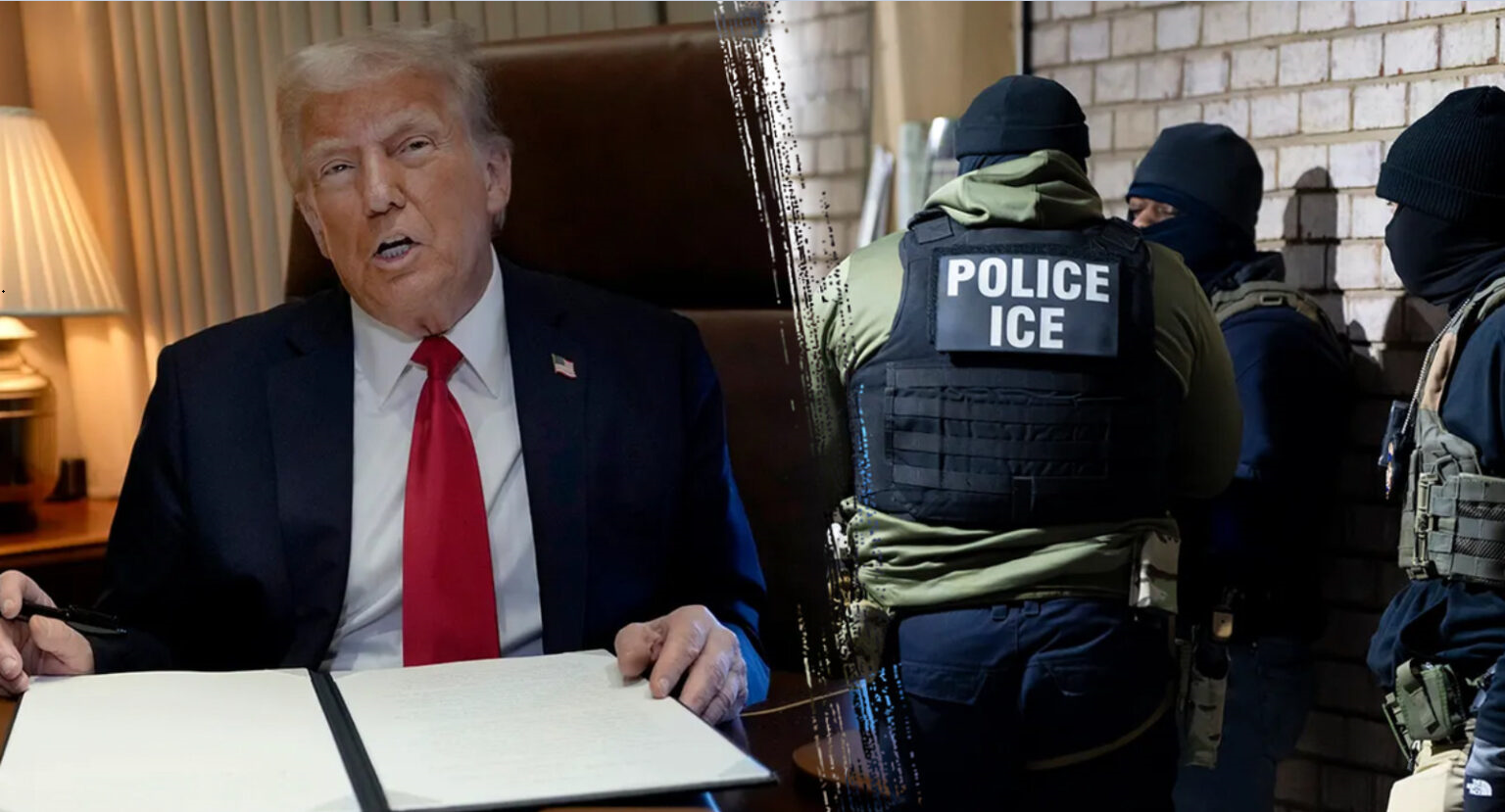
A federal appeals court decision is intensifying an ongoing legal and political fight over how long U.S. Immigration and Customs Enforcement (ICE) can detain certain noncitizens without bond hearings during deportation proceedings.
In the case involving Joaquin Herrera Avila, a Mexican national detained in Minneapolis, the U.S. Court of Appeals for the Eighth Circuit ruled that he and similarly situated detainees may be held without bond while their immigration cases proceed. Avila was arrested in August after officials said he could not provide documentation authorizing lawful entry into the United States. He had been held without bond while facing removal proceedings.
The ruling reversed a lower court decision that had granted Avila a habeas corpus petition—essentially allowing him to challenge the legality of his detention and seek a bond hearing. The appellate court’s majority opinion concluded that federal immigration law permits mandatory detention in certain cases involving individuals considered to be applicants for admission or otherwise subject to removal proceedings.
Writing for the majority, Judge Bobby Shepherd (appointed by President George W. Bush) emphasized that the statutory language allows detention without bond under specific conditions, and the court determined Avila’s situation fell within that framework. The decision aligns with a similar ruling from the Fifth Circuit, which also upheld the government’s authority to detain certain noncitizens without bond during immigration proceedings.
The ruling was praised by Trump administration officials and supporters as a validation of stricter immigration enforcement policies. Attorney General Pam Bondi described the decision as a victory for President Donald Trump’s immigration agenda, arguing it reinforces the government’s authority to detain individuals who are in the country unlawfully while their cases are resolved.
Supporters of the decision say it strengthens enforcement by preventing the release of individuals who may be subject to deportation. They argue it ensures consistency in how immigration laws are applied and reduces what they describe as judicial interference in detention policy.
However, the ruling was not unanimous. In dissent, Judge Ralph R. Erickson (appointed during the Trump administration) argued that Avila had lived in the United States for years and had previously been entitled to bond hearings under longstanding practice. He warned that the majority’s interpretation could significantly expand mandatory detention and affect large numbers of noncitizens who have historically been eligible for bond consideration.
Legal analysts note that the disagreement reflects broader tensions in immigration law over how to interpret federal statutes governing detention, particularly in cases involving long-term residents who lack formal legal status but have established ties in the United States.
The ruling adds to a growing split among federal courts over detention standards, increasing the likelihood that the issue could eventually reach the Supreme Court for a final determination.