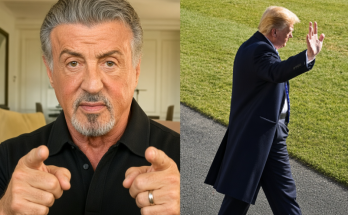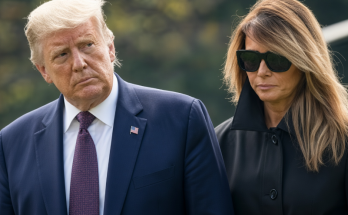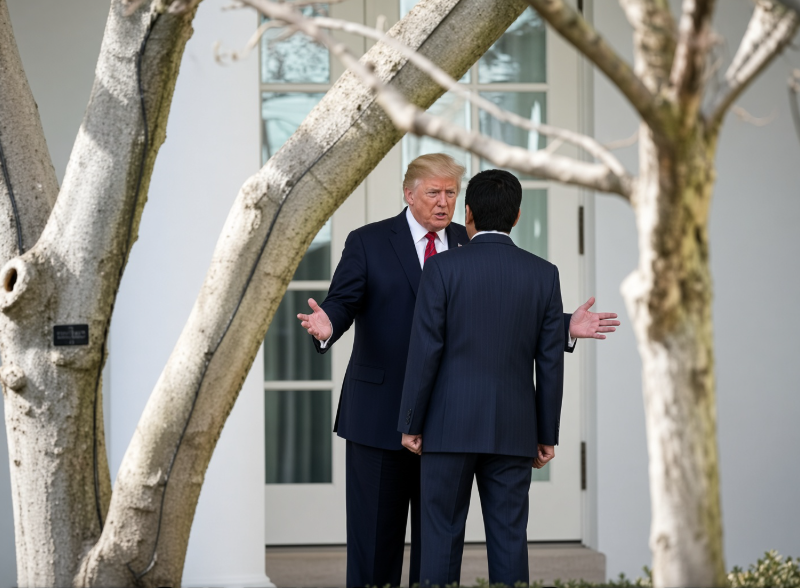
A newly circulated video featuring President Donald Trump has sparked online discussion and renewed scrutiny of his public statements. The footage has attracted attention from viewers who believe it may contradict previous remarks, although determining whether it exposes a false claim requires examining the original statement and the complete context of the recording.
Viral political videos can spread rapidly across social media, particularly when clips appear to show a public figure responding inconsistently to questions or presenting conflicting accounts of an event. However, short excerpts may omit important details, including when the footage was recorded, what question prompted the response, and whether the speaker was addressing the same subject in both instances.
The controversy also highlights the increasingly important role of video verification in political reporting. Journalists and viewers must distinguish authentic footage from edited clips, misleading captions, and recordings shared without sufficient context. Comparing a viral video with the original event or full interview can help establish whether an apparent contradiction is genuine.
The headline’s claim that Trump is “not OK” is an interpretation rather than an established fact. A video alone cannot reliably establish a person’s health or mental state, and such conclusions should not be drawn from isolated gestures, expressions, or moments during a public appearance.
The key questions are what Trump originally said, what the newly circulated footage actually shows, and whether reliable reporting confirms a contradiction. Until the specific video and its context are established, claims that it exposes his “biggest lie” should be treated cautiously.
Ultimately, the significance of the footage depends on verifiable evidence rather than the dramatic language used to promote it online.