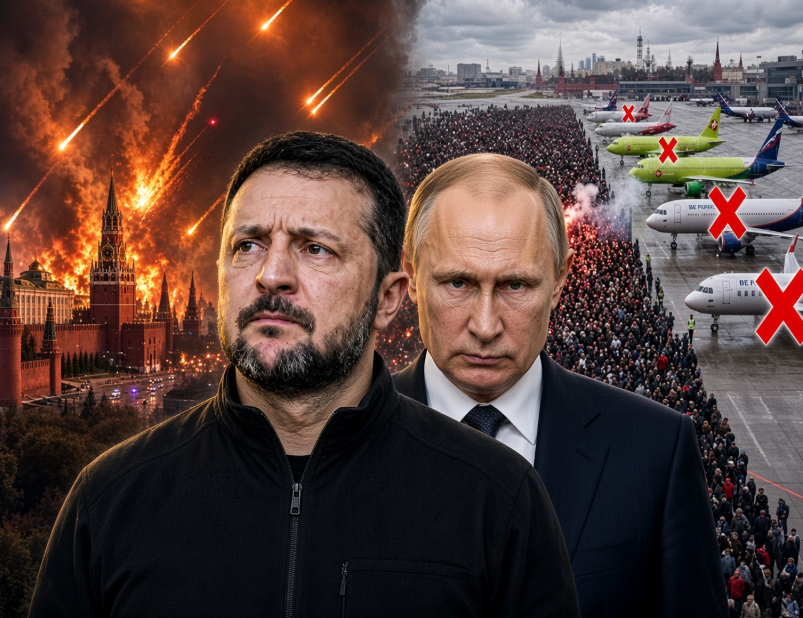
Ukraine has reportedly launched a large-scale aerial attack targeting Moscow and surrounding infrastructure, intensifying the conflict between Kyiv and Moscow. The report describes the operation as retaliation for Russian attacks on critical Ukrainian infrastructure, including bridges over the Dnieper River. However, the claim that Ukraine launched nearly 1,800 drones and cruise missiles in a single assault has not been independently verified.
According to the account, Ukrainian forces employed a saturation strategy combining large numbers of relatively inexpensive drones with electronic decoys designed to complicate Russian radar tracking and air-defense responses. Such tactics can place additional pressure on defensive systems by forcing operators to identify genuine threats among numerous incoming objects. The scale and effectiveness of the alleged operation, however, remain unclear.
The report also claims that cruise missiles struck the Volodarskaya oil distribution station, potentially disrupting fuel supplies serving several major airports. If significant damage occurred, the consequences could extend beyond the energy sector to aviation operations and regional transportation. Independent confirmation is needed to establish the extent of the reported damage and whether airport fuel supplies were materially affected.
Moscow has invested in layered air defenses, including Pantsir systems intended to counter drones and other aerial threats. The account alleges that authorities have expanded defensive measures around prominent buildings, considered protective netting and aerostats, and imposed restrictions on GPS signals and mobile internet. Such measures can affect civilian navigation, communications and daily activity, although the reported scope of these disruptions requires verification.
The alleged attack illustrates the growing importance of drone warfare, electronic countermeasures and infrastructure protection in the Russia–Ukraine conflict. Large drone formations can complicate interception efforts, but their effectiveness depends on detection capabilities, available interceptors and the coordination of defensive systems.
For now, claims of a historic 1,800-weapon assault, the destruction of Moscow’s defensive network and a major collapse in fuel distribution should be treated cautiously. Verified information about launch numbers, interception rates and infrastructure damage will be necessary to assess the operation’s actual military and economic impact.