Ukraine’s reported 40-day deep-strike campaign is placing renewed pressure on Russian military infrastructure, strategic aviation and energy facilities. According to the report, Ukrainian forces have targeted valuable Russian assets while attempting to weaken the logistics and financial resources supporting Moscow’s war effort. However, the scale of the claimed losses and their long-term consequences require independent verification.
The report alleges that more than 30,000 Russian troops were killed over a single month. It also claims that Russia has increasingly relied on foreign recruits and migrants to reinforce frontline units amid mounting personnel shortages. These figures and recruitment allegations remain difficult to assess without independently confirmed casualty data and reliable information about Russia’s recruitment practices.
Another major focus is the reported destruction of high-value military equipment, including S-400 air-defense systems and Tu-95MS strategic bombers. Such equipment is expensive and often difficult to replace quickly because of complex manufacturing requirements, specialized components and production constraints. Nevertheless, the permanent loss of specific systems must be established through credible evidence before its full strategic impact can be determined.
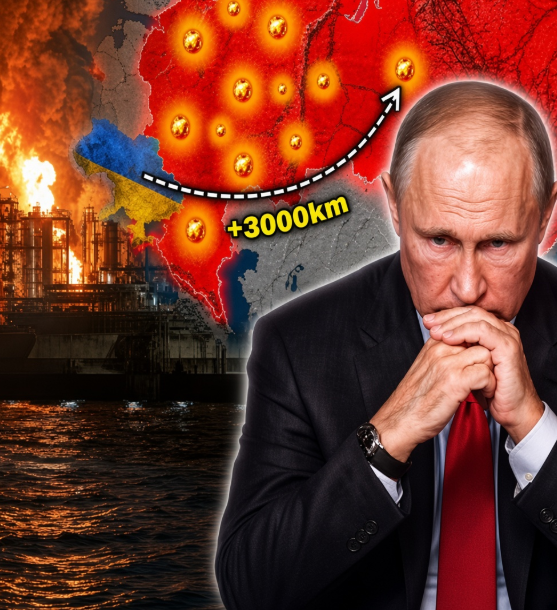
Ukrainian attacks on Russian oil refineries have also drawn attention to the economic dimension of the conflict. Damage to refining facilities can disrupt fuel production, complicate domestic distribution and reduce revenue from energy exports. The report links these strikes to a Russian federal budget deficit exceeding $74 billion, although the figure’s reporting period and underlying calculation need clarification.
The campaign reflects Ukraine’s broader effort to strike targets far behind the frontline, forcing Russia to allocate resources to infrastructure protection while maintaining military operations. Deep strikes can impose financial and logistical costs, but their overall effectiveness depends on the extent of damage, the ability to repair facilities and Russia’s capacity to replace equipment.
Overall, the report portrays Russia as facing simultaneous military and economic pressures. Yet claims of an irreversible collapse, more than 30,000 monthly troop deaths and permanently unrecoverable equipment losses should be treated cautiously until supported by independently verified evidence. The longer-term impact will depend on continued strike effectiveness, Russian adaptation and the resources available to both sides.