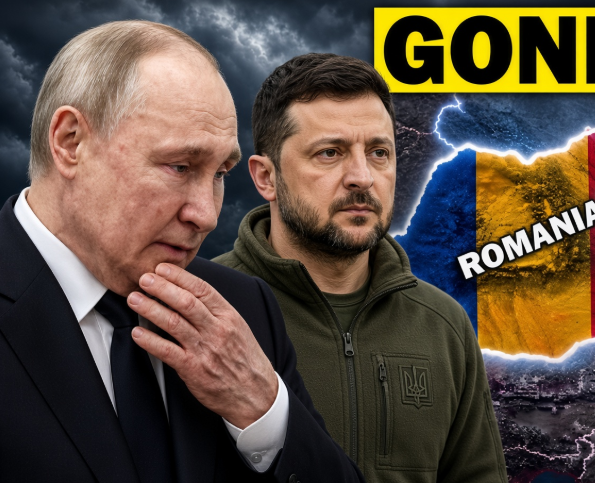
The Black Sea region remains a major security concern for Romania and its neighbors as Russia’s war against Ukraine continues to create risks for maritime traffic, airspace, and critical energy infrastructure. A report provided for this summary alleges that a Russian unmanned sea drone targeted the Neptun Deep gas development, a major offshore project in Romania’s Black Sea economic zone.
Neptun Deep is strategically important because its planned natural gas production could strengthen Romania’s energy position and contribute to regional supplies, potentially reducing dependence on imported Russian gas. Any confirmed attack on the project could therefore raise concerns about energy security, offshore infrastructure protection, and the wider economic consequences of the conflict.
The report further claims that Romanian F-16 fighter jets intercepted and destroyed a Russian armed drone. If confirmed, such an engagement would raise important questions about Romania’s rules of engagement, the circumstances of the interception, and the risk of a direct military confrontation. However, the account does not provide independently verified evidence establishing the alleged attack, the drone’s origin, or the reported destruction by Romanian aircraft.
Romania’s NATO membership also matters to the broader security picture. An incident involving a suspected Russian system would not automatically trigger Article 5, which requires allies to assess the circumstances and determine an appropriate response under the treaty. National air-policing and defensive actions can occur without an automatic collective-defense declaration.
The incident was part of wider concerns about drone activity in the Black Sea. Romanian officials reported that the maritime drone was carrying explosives and was not of Ukrainian origin, while Romania’s naval leadership later identified the drones found near Neptun Deep as Russian. The Romanian F-16 struck the drone, but a naval explosive-ordnance team subsequently neutralized it.
Moldova is also strengthening its defenses amid repeated drone and missile airspace violations. Its government has announced plans to expand domestic production of defensive equipment, including dual-use drones, reflecting concerns about the conflict’s regional spillover.
The episode demonstrates the growing risks to offshore energy infrastructure and commercial activity in the Black Sea. However, one interception does not establish that Russia has lost control of the region or that the overall military balance has decisively shifted. Its wider significance lies in the need for Romania and its regional partners to protect critical infrastructure while managing the risk of further escalation.