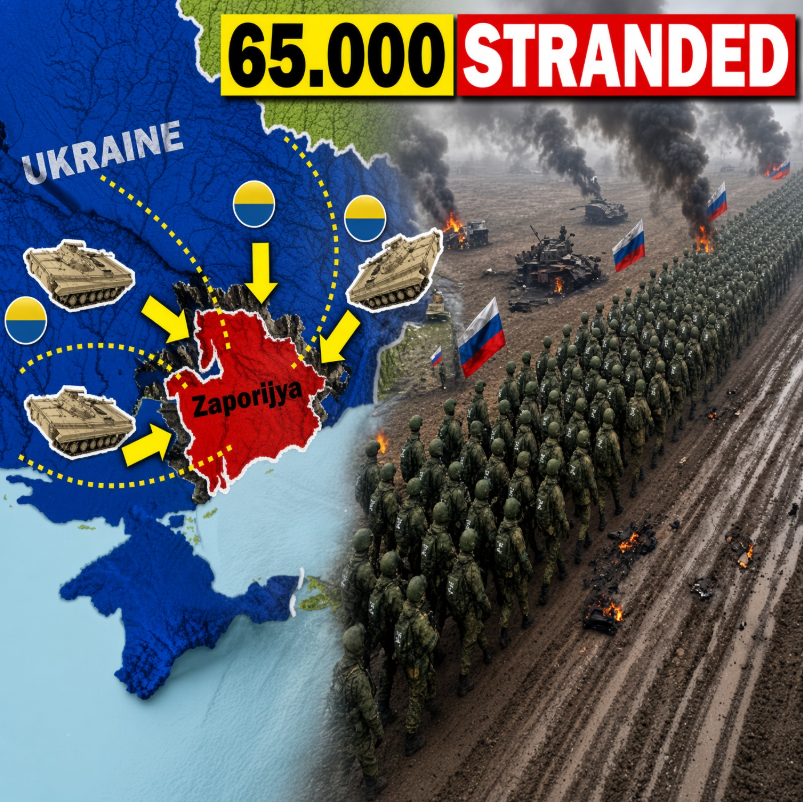
Ukraine’s reported operations near Stepnohirsk in Zaporizhzhia have drawn attention to the importance of supply routes connecting Russian forces across southern Ukraine. The account claims that Ukrainian military intelligence units, including HUR personnel, secured the settlement and disrupted Russian access to the E105 highway, a major road corridor linking Crimea with other occupied territories. The extent of any Ukrainian territorial gains and the status of the route require independent verification.
If Ukrainian forces can consistently threaten this corridor, Russian commanders may face greater difficulty moving personnel, ammunition, fuel, and equipment between Crimea and frontline positions. However, disrupting a road does not automatically sever every supply connection, as military logistics can rely on alternative routes and dispersed transport networks.
The report also highlights the growing role of fiber-optic first-person-view drones. Because these drones transmit control signals through a physical cable rather than conventional radio links, they can be more resistant to electronic jamming. Their effectiveness nevertheless depends on terrain, range, operator skill, and battlefield conditions.
More dramatic claims in the account—including that 65,000 Russian troops have been encircled, that elite airborne divisions are being systematically destroyed, and that newly mobilized soldiers survive for only 12 minutes—have not been independently substantiated. Such figures should not be treated as established battlefield facts without reliable corroboration.
The reported developments nevertheless underscore how control of key settlements, road networks, and drone operating areas can influence the fighting in southern Ukraine. Any sustained disruption to Russian supply lines could increase operational pressure, but the broader effect on the war’s momentum will depend on verified territorial changes, the availability of alternative routes, and each side’s ability to adapt.