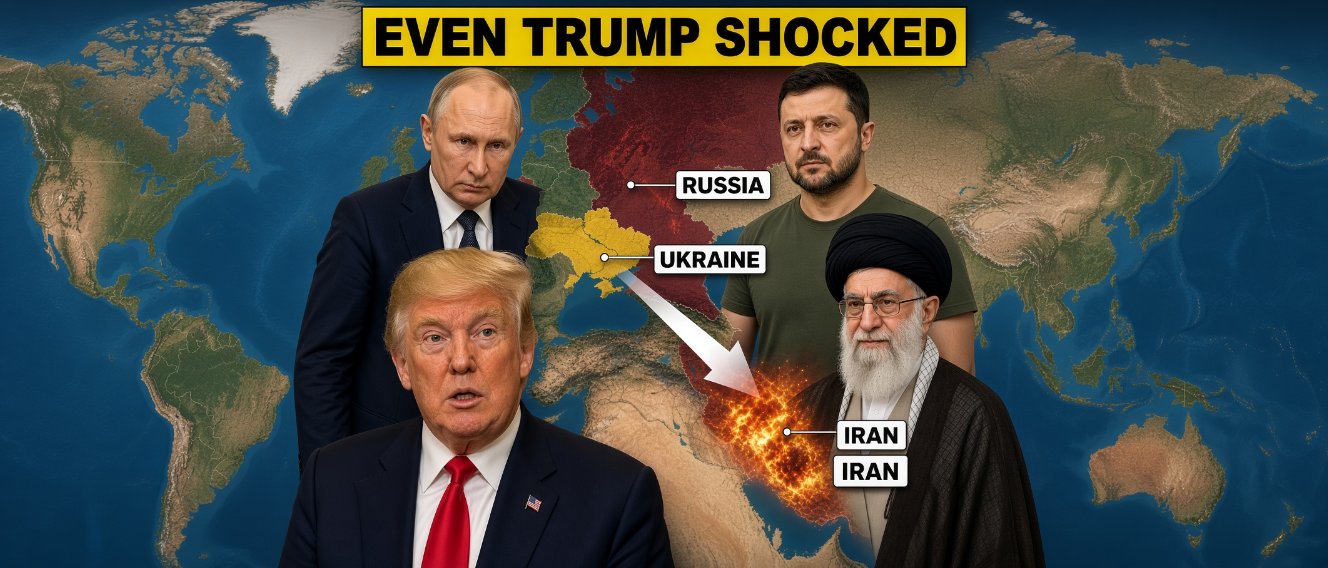
Ukraine Expands Defense Cooperation With Gulf States Amid Iranian Drone Threats
Ukraine is seeking to expand its role in Middle Eastern security as Gulf countries confront the threat posed by Iranian-designed drones. President Volodymyr Zelensky has reportedly pursued long-term defense agreements with Saudi Arabia, Qatar, and the United Arab Emirates, potentially creating new opportunities for cooperation in air defense, drone interception, and military technology.
Ukraine’s experience defending against Russian attacks involving Iranian-designed Shahed drones has made its battlefield expertise increasingly relevant to countries facing similar threats. Ukrainian specialists have developed practical experience with drone detection, electronic warfare, layered air defenses, and relatively inexpensive interceptor systems designed to counter unmanned aerial vehicles.
Reports of Ukrainian anti-drone personnel deploying to the Gulf suggest that Kyiv may be seeking to share this expertise while strengthening diplomatic and economic ties with regional partners. Low-cost first-person-view interceptors could offer an additional option for countering expensive or mass-produced attack drones, although their effectiveness depends on detection systems, operating conditions, and the type of threat involved.
For Gulf governments, cooperation with Ukraine could diversify their defense partnerships and provide access to technologies shaped by recent combat experience. For Kyiv, such agreements could generate investment, support its defense industry, and broaden its international relationships beyond Europe.
The developments could also have implications for Russia’s defense exports if Gulf states expand purchases of Ukrainian-developed systems or alternatives to Russian equipment. However, claims that Ukraine has completely neutralized Iran’s drone strategy, that all three countries have finalized 10-year agreements, or that billions of dollars have already been committed require independent confirmation.
The potential significance lies in whether reported cooperation develops into sustained deployments, formal contracts, and measurable improvements in regional drone defense.